The Soul’s Crucible: How Experiential Transitions Forge the Alchemy of a Learner’s Heart
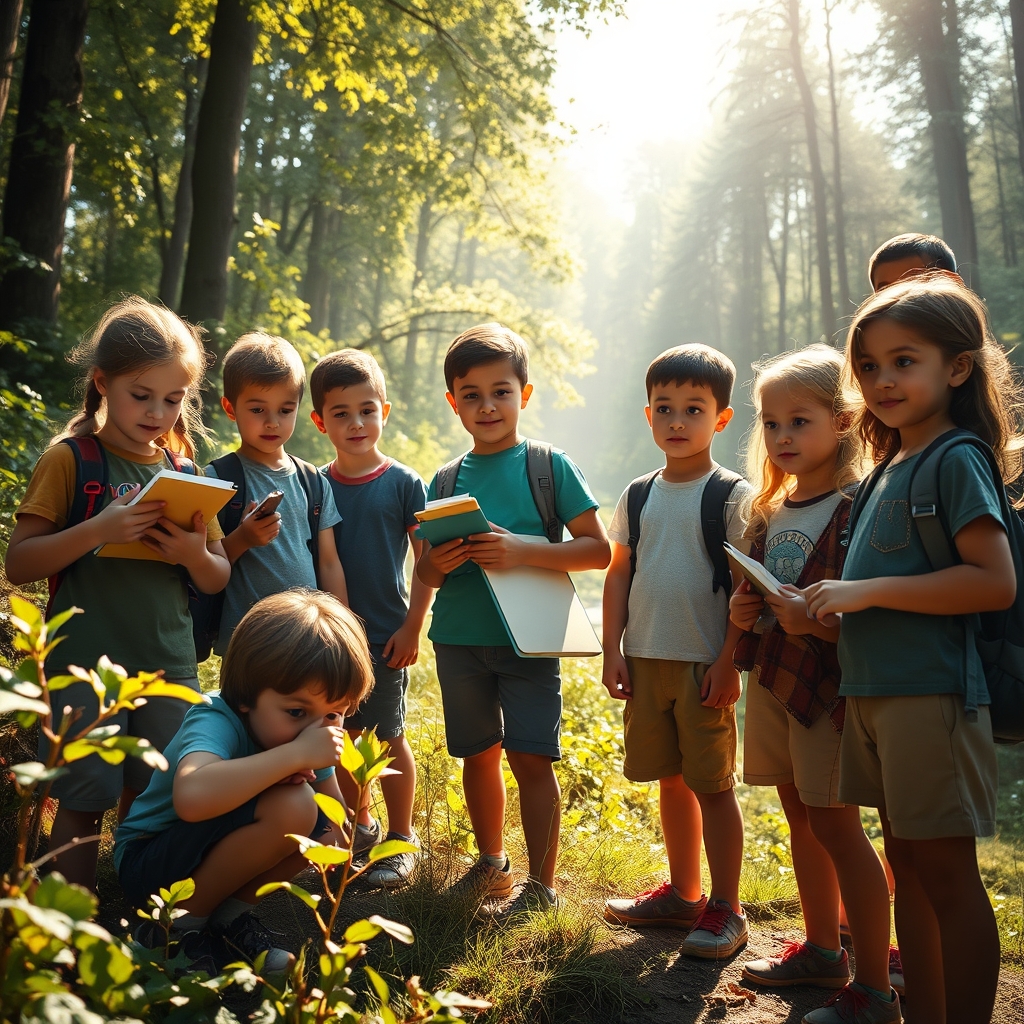
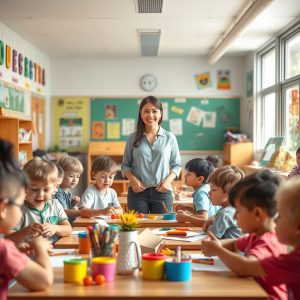
The first time I stepped into a classroom that wasn’t a classroom at all, I felt the ground shift beneath my feet. The walls were not walls but thresholds—doorways into forests, markets, rivers, and the quiet hum of a child’s own curiosity. It was not the kind of place where learning was measured in grades or standardized tests, but in the way a student’s eyes widened when they realized the world was not a series of answers to be memorized, but a question to be lived. This was the crucible of experiential school transitions, where the soul of education was not taught but forged.
The Threshold of Becoming
Transitions are not mere passages from one grade to another, from one building to the next. They are rites of passage, moments when the familiar dissolves and the unknown beckons. In traditional schooling, these transitions are often marked by anxiety—new teachers, new peers, new expectations. But what if they were instead moments of alchemy? What if the fear of the unknown could be transmuted into the gold of discovery?
I remember a child named Eli, who had spent years in a rigid, structured environment where learning was a linear path. When he entered a school that embraced experiential transitions, his first project was not a worksheet but a journey. He was asked to map the ecosystem of a nearby creek, to interview local fishermen, to write a story from the perspective of a salmon. The transition was not just from one classroom to another; it was from passive recipient to active participant. The crucible had begun its work.
The Fire of Real-World Alchemy
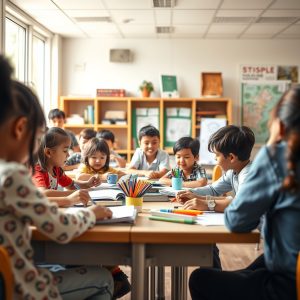
In the heart of this crucible, the fire is not metaphorical. It is the heat of engagement, the spark of relevance, the burn of real-world stakes. When students step into a learning environment that mirrors the complexity of life, they are no longer spectators but co-creators. Project-based learning is not a method here; it is the air they breathe. The math is not in a textbook but in the measurements of a community garden. The history is not in a lecture but in the oral traditions of elders. The science is not in a lab but in the soil beneath their fingernails.
This is where adaptive education strategies come to life. The curriculum does not dictate the child; the child shapes the curriculum. A student struggling with fractions might find their way through the rhythm of music, the patterns of a loom, or the calculations of a carpentry project. The fire of the crucible does not burn uniformly; it bends, it flows, it responds. It is alive.
The Forging of Empathy
But the alchemy of experiential transitions does not stop at academic growth. The deepest transformation happens in the soul. When a child is given the space to learn through experience, they are also given the space to feel. They learn empathy not as a lesson but as a lived reality. They see the world through the eyes of a farmer whose crops are failing, a refugee navigating a new language, a disabled peer whose brilliance is not diminished by their differences.
In one school, students were tasked with designing accessible spaces for their community. They interviewed wheelchair users, tested ramps, and grappled with the frustration of doors that were too heavy. The project was not just about engineering; it was about seeing. By the end, their designs were not just functional—they were infused with a quiet reverence for the dignity of every human being. The crucible had forged not just skills, but souls.
The Cooling: When the Fire Becomes a Light
All forging requires a cooling—a moment when the heat subsides and the shape of what has been created becomes clear. In experiential transitions, this is the moment when students step back and reflect. They journal, they discuss, they create art. They ask: What did this experience teach me about myself? About others? About the world?
This reflection is not an afterthought; it is the final stroke of the alchemist’s brush. It is where the raw material of experience is transformed into wisdom. A student who has built a bridge might realize they have also built patience. A student who has failed at a project might discover they have gained resilience. The cooling is not the end of the process; it is the moment when the metal hardens into something unbreakable.
The Unseen Hand of Community
No crucible exists in isolation. Behind every experiential transition is a community—teachers who step back to let students lead, parents who trust the process, local experts who share their knowledge. This is community-supported learning in its purest form. It is not a top-down model but a web of relationships, where everyone is both teacher and learner.
I once watched a group of students present their findings on local water pollution to city officials. The officials did not patronize them; they listened. The students did not perform; they spoke with the authority of those who had done the work. The room was not filled with applause but with respect. The community had become the crucible, and the students had become its alchemists.
The first time I stepped out of that experiential classroom, I carried with me not just memories but a quiet certainty. Education is not about filling vessels; it is about igniting fires. The soul’s crucible does not promise ease, but it offers something far greater: the chance to be transformed. And in that transformation, we do not just learn about the world—we learn how to live in it, how to shape it, how to love it. The fire may cool, but the light it leaves behind never fades.