Navigating the Future of Education: Key Trends Shaping Tomorrow’s Learning
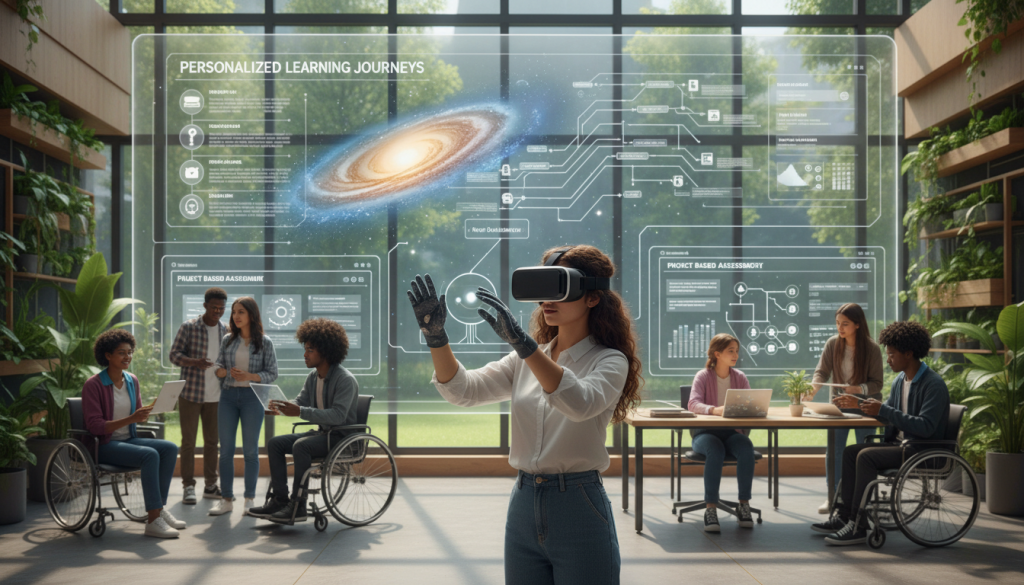
The landscape of education is undergoing a revolutionary transformation, moving far beyond traditional classrooms and one-size-fits-all approaches. Today’s learners demand experiences that are dynamic, relevant, and deeply personal. This shift is giving rise to innovative methodologies, with Personalized Learning Pathways at the forefront, ensuring every student can navigate their educational journey in a way that best suits their unique needs and aspirations.
As we delve deeper, it’s clear that the future of learning is an intricate tapestry woven with technological advancements, a focus on holistic development, and a keen eye on workforce readiness. These emerging trends are not just buzzwords; they represent fundamental shifts in how knowledge is acquired, skills are developed, and individuals are prepared for a rapidly evolving world.
Embracing Technological Frontiers for Engaging Education
Modern education thrives on cutting-edge technology to create richer, more interactive environments. The seamless Generative AI Integration is revolutionizing content creation and adaptive tutoring, offering instant feedback and bespoke learning materials. Imagine AI crafting unique scenarios for students to explore complex concepts, making learning truly dynamic.
Beyond AI, Immersive Virtual Reality is transporting learners to historical events, scientific labs, or even distant galaxies, making abstract ideas tangible and unforgettable. This hands-on, experiential learning significantly boosts engagement and retention. Complementing this, Gamified Learning Environments inject an element of fun and competition, motivating students through challenges, rewards, and collaborative quests, turning study into an adventure.
With the ubiquity of smartphones, Mobile First Education ensures learning is accessible anytime, anywhere. Educational apps and platforms are designed for seamless mobile interaction, breaking down geographical and temporal barriers. Furthermore, Adaptive Testing Engines are continuously assessing student progress and adjusting the difficulty and type of questions in real-time, providing a truly individualized assessment experience that supports continuous improvement.
Cultivating Future-Ready Skills for the Evolving Workforce
The demands of the modern job market are shifting, prioritizing demonstrable skills over traditional degrees. This has fueled the rise of Micro Credentials, offering focused, verifiable certifications in specific competencies. These bite-sized qualifications empower learners to quickly acquire in-demand skills and adapt to new industry trends, providing agility in a fast-paced economy.
Consequently, Skills Based Hiring is gaining traction, where employers prioritize a candidate’s proven abilities and relevant experience, often showcased through digital portfolios and practical assessments, rather than solely relying on academic transcripts. This approach creates more equitable opportunities and ensures a better match between talent and job requirements. These developments are crucial for building robust Workforce Readiness Pathways that directly connect education with industry needs.
In this digital age, Digital Literacy Curricula are no longer optional but essential. Students must develop critical thinking about online information, understand cybersecurity basics, and master digital tools for collaboration and creation. This foundational knowledge prepares them not just for careers, but for informed participation in a connected world.
Nurturing Holistic Development and Inclusive Learning
Education today extends beyond academics to encompass the whole person. Social Emotional Learning (SEL) programs are being integrated to help students develop self-awareness, self-management, social awareness, relationship skills, and responsible decision-making. These competencies are vital for personal well-being and effective collaboration in any setting.
Creating truly equitable learning spaces means embracing Neurodiversity Inclusive Design. This involves designing curricula, environments, and teaching methods that cater to a wide range of neurological differences, ensuring every learner can thrive. It moves beyond mere accommodation to proactive inclusion, fostering a sense of belonging for all.
At the heart of these efforts is Human Centered Pedagogy, an approach that places the learner’s needs, interests, and experiences at the core of the educational process. This philosophy promotes active learning, critical thinking, and agency. It’s often reinforced through Peer To Peer Collaboration, where students learn from each other, developing communication, teamwork, and leadership skills in authentic contexts.
Flexible Models and Sustainable Futures
Flexibility is key in contemporary education, exemplified by widespread Blended Hybrid Models. These combine the best aspects of online and in-person learning, offering students choice and adaptability in how and where they engage with content. This approach caters to diverse schedules and learning styles, making education more accessible than ever.
Recognizing that learning is a continuous journey, the concept of Lifelong Learning Ecosystems is gaining prominence. These systems provide ongoing opportunities for individuals to upskill, reskill, and pursue personal interests throughout their lives, adapting to evolving personal and professional landscapes. Furthermore, institutions are increasingly focused on Sustainable Campus Initiatives, integrating environmental responsibility into both curriculum and infrastructure, preparing students to be stewards of the planet while demonstrating commitment to a greener future.
Data-Driven Insights and Real-World Application
To ensure student success, educators are increasingly relying on data. Data Driven Intervention utilizes analytics to identify at-risk students early and provide targeted support, optimizing learning outcomes. This proactive approach ensures resources are allocated effectively where they are most needed, maximizing student potential.
Moving away from traditional exams, Project Based Assessment offers a more authentic measure of learning. Students demonstrate their understanding and skills by completing complex, real-world projects, fostering deeper engagement and practical application. This often involves Cyber Physical Learning, where students interact with digital models and simulations of physical systems, bridging the gap between theoretical knowledge and practical execution in a safe, controlled environment.
The future of education is bright, characterized by dynamic innovation and a profound commitment to individual growth and societal well-being. By embracing these transformative trends, from Personalized Learning Pathways to robust Workforce Readiness Pathways, we are not just educating students; we are empowering them to become adaptable, skilled, and compassionate contributors to a rapidly changing world. These evolving approaches ensure that every learner is equipped not just with knowledge, but with the resilience and critical thinking necessary to thrive in any future they choose to build.