Navigating Tomorrow’s Education: The Rise of Personalized Learning Pathways
The educational landscape is undergoing a profound transformation. Are we truly preparing learners for a future that demands adaptability, critical thinking, and continuous skill development? The answer lies in reimagining traditional models, embracing innovation, and championing Personalized Learning Pathways that cater to individual needs and aspirations. This shift is not merely an upgrade; it’s a fundamental recalibration towards a more effective, engaging, and equitable learning experience for everyone.
As we delve deeper into the 21st century, the demand for tailored educational journeys becomes increasingly clear. From K-12 to professional development, institutions are exploring dynamic approaches to empower learners. This evolution is driven by technological advancements and a greater understanding of how people learn best, making education more relevant and impactful.
Embracing Intelligent Systems: Generative AI and Adaptive Learning
At the forefront of this evolution is the powerful synergy of artificial intelligence and learning. Generative AI Integration is revolutionizing content creation, offering tutors, and even designing bespoke learning activities. This technology allows for unprecedented customization, moving beyond one-size-fits-all instruction.
Complementing this, Adaptive Testing Engines continuously assess a learner’s progress and adjust the curriculum in real-time. This ensures that challenges are always appropriate, preventing both boredom and frustration. Such Data Driven Intervention provides educators with actionable insights, allowing them to support students precisely where and when it’s needed most, even in complex Cyber Physical Learning environments that blend digital and physical instruction.
Cultivating Future-Ready Talent: Micro-credentials and Skills-Based Hiring
The traditional degree is no longer the sole arbiter of capability. The rise of Micro Credentials offers learners specific, verifiable skills that are directly applicable to the modern workforce. These bite-sized qualifications allow individuals to upskill or reskill efficiently, responding quickly to industry demands.
This shift aligns perfectly with the growing trend of Skills Based Hiring, where employers prioritize demonstrated competencies over academic pedigrees. Developing robust Workforce Readiness Pathways becomes crucial, integrating practical experience and real-world problem-solving. Project Based Assessment further reinforces this, moving away from rote memorization towards evaluating a learner’s ability to apply knowledge creatively and effectively.
Engaging Minds: Gamified Learning and Immersive Experiences
Engagement is paramount for effective learning, and innovative methods are transforming how students interact with content. Gamified Learning Environments leverage game mechanics like points, badges, and leaderboards to motivate and immerse learners. This makes complex topics more approachable and enjoyable, fostering a deeper understanding.
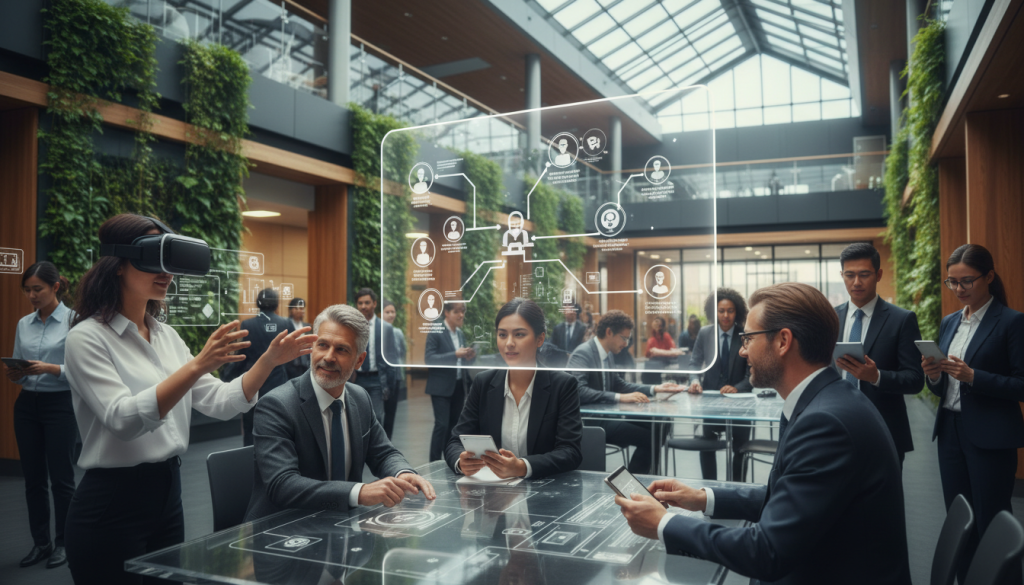
Furthermore, Immersive Virtual Reality (VR) offers unparalleled opportunities for experiential learning, allowing students to explore historical sites, conduct virtual lab experiments, or practice complex procedures in a safe, simulated environment. Coupled with active Peer To Peer Collaboration, these tools create dynamic and interactive educational experiences that go far beyond passive consumption of information.
Nurturing the Whole Learner: Social Emotional and Inclusive Design
Education extends beyond academic knowledge to encompass the development of well-rounded individuals. Prioritizing Social Emotional Learning (SEL) helps students develop self-awareness, self-management, social awareness, relationship skills, and responsible decision-making. These are critical for success in all aspects of life.
Moreover, true equity in education demands Neurodiversity Inclusive Design, ensuring that learning environments cater to a wide spectrum of cognitive styles and needs. This approach, central to Human Centered Pedagogy, focuses on empathy and understanding, creating accessible and supportive spaces where every learner can thrive and reach their full potential.
Flexible Futures: Blended Models and Digital Proficiency
The flexibility of Blended Hybrid Models has become indispensable, combining the best of in-person and online instruction. This adaptability allows learners to access education regardless of geographical constraints or personal schedules. Complementing this is the rise of Mobile First Education, delivering content and tools directly to smartphones and tablets, making learning accessible anytime, anywhere.
In a world increasingly shaped by technology, robust Digital Literacy Curricula are essential, equipping learners with the skills to navigate, evaluate, and create in digital spaces responsibly. Beyond the classroom, Sustainable Campus Initiatives are integrating ecological awareness into the learning environment, demonstrating a commitment to global citizenship and environmental stewardship.
Forging Lifelong Learning Ecosystems for Tomorrow
The convergence of these trends is culminating in the development of comprehensive Lifelong Learning Ecosystems. These integrated networks of resources, platforms, and communities support continuous growth and adaptation throughout an individual’s life. They move beyond episodic education to embrace a fluid, ongoing journey of discovery and skill acquisition.
The future of education is not a distant concept; it is being built today through thoughtful integration of technology, empathetic design, and a steadfast commitment to individual growth. By embracing these transformative approaches, educational institutions and corporate training programs can cultivate a generation of agile, skilled, and socially conscious individuals ready to navigate an ever-changing world. Invest in these pathways now to unlock unparalleled potential for learners everywhere.