Navigating Tomorrow’s Education: Trends Shaping Future-Ready Learning
The landscape of education is undergoing a revolutionary transformation, moving far beyond traditional classrooms and rote memorization. We are witnessing an exciting shift towards dynamic, student-centric approaches that prepare learners for an ever-evolving world. At the heart of this evolution are Personalized Learning Pathways, tailoring educational experiences to individual needs, paces, and interests. This bespoke approach ensures every student can thrive, fostering deeper engagement and more effective knowledge acquisition.
Empowering Individual Growth with Adaptive Learning
Modern education emphasizes meeting learners where they are, providing targeted support and challenges. This is where Adaptive Testing Engines play a crucial role, continuously assessing understanding and adjusting content difficulty in real-time. Such systems provide invaluable insights, enabling educators to implement precise Data Driven Intervention strategies, ensuring no student is left behind.
These adaptive systems aren’t just about remediation; they also accelerate advanced learners. By identifying strengths and weaknesses, they help craft truly unique educational journeys. The goal is to maximize potential for every learner, making education more efficient and impactful.
Integrating Cutting-Edge Technology for Enhanced Experiences
Technology is no longer just a tool but an integral part of the learning fabric. Generative AI Integration is revolutionizing content creation, assessment design, and even tutoring, offering unprecedented scalability and customization. Imagine AI-powered tutors providing instant feedback or generating unique learning materials on demand.
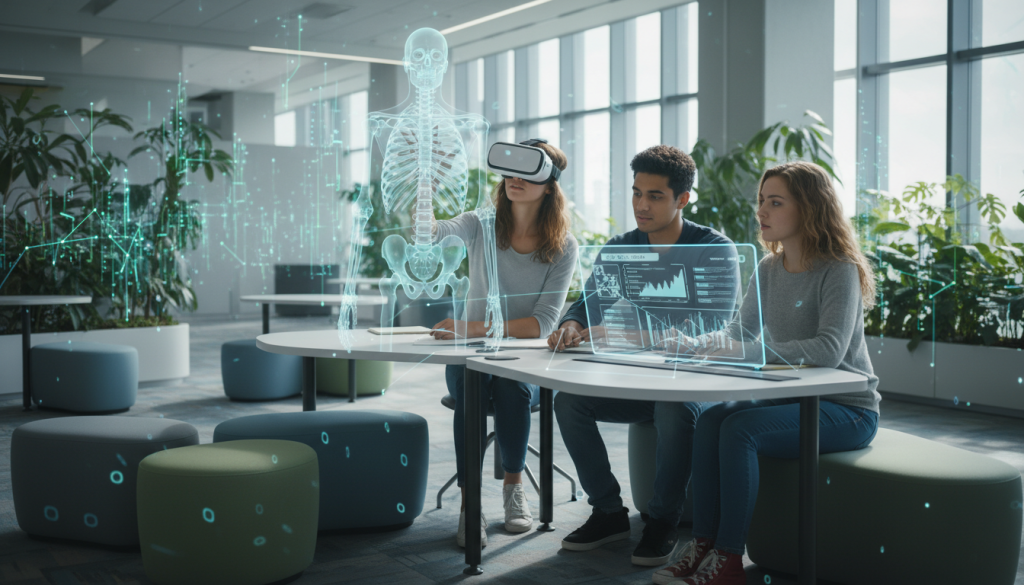
Beyond AI, Immersive Virtual Reality (VR) is transforming abstract concepts into tangible experiences. Students can explore ancient civilizations, dissect virtual organs, or simulate complex engineering challenges, fostering deeper understanding and engagement. This blend of digital and physical, often termed Cyber Physical Learning, creates dynamic environments that mirror real-world complexities.
Furthermore, the ubiquity of smartphones has led to a surge in Mobile First Education. Learning resources, interactive modules, and collaborative tools are now accessible anytime, anywhere, breaking down traditional barriers to access and promoting continuous engagement.
Building Future-Ready Skills and Workforce Pathways
The job market demands skills, not just degrees. This has led to the rise of Micro Credentials, offering verifiable recognition for specific competencies acquired through short, focused learning experiences. These bite-sized qualifications are highly valued in a world increasingly focused on Skills Based Hiring, where practical abilities often outweigh traditional academic accolades.
Developing comprehensive Workforce Readiness Pathways is paramount. These pathways integrate academic learning with vocational training and real-world experiences, ensuring graduates are equipped for immediate contribution. A strong emphasis on Digital Literacy Curricula is also vital, preparing learners to navigate and thrive in an highly digital professional landscape.
Fostering Holistic Development and Inclusive Environments
Learning extends beyond cognitive development; it encompasses emotional and social growth. Gamified Learning Environments transform mundane tasks into engaging challenges, boosting motivation and perseverance. This approach makes learning fun and reinforces positive behaviors through rewards and progress tracking.
Crucially, education must also cultivate emotional intelligence. Programs focused on Social Emotional Learning (SEL) help students develop self-awareness, self-management, social awareness, relationship skills, and responsible decision-making. These are critical life skills for personal well-being and effective collaboration.
Creating truly equitable spaces means adopting Neurodiversity Inclusive Design. This involves designing learning environments, materials, and assessments that cater to a wide range of cognitive styles and needs, ensuring every student can participate and succeed. Complementing this, Project Based Assessment offers authentic evaluation opportunities, allowing students to demonstrate understanding through practical application and critical thinking, often involving Peer To Peer Collaboration.
Cultivating Lifelong Learning and Sustainable Practices
The pace of change necessitates a commitment to continuous learning. Establishing robust Lifelong Learning Ecosystems ensures individuals can constantly reskill and upskill throughout their careers and lives. These ecosystems often leverage flexible Blended Hybrid Models, combining the best of in-person instruction with online flexibility.
Educational institutions are also embracing their role in global sustainability. Sustainable Campus Initiatives reduce ecological footprints and educate students on environmental stewardship, integrating eco-conscious practices into daily operations and curricula. This commitment reflects a broader shift towards a Human Centered Pedagogy, where education is designed not just for academic achievement, but for well-being, societal impact, and a sustainable future.
The future of education is bright, characterized by flexibility, personalization, and a deep integration of technology and human values. By embracing these transformative trends, educators and institutions can empower learners to become adaptable, skilled, and compassionate individuals ready to navigate the complexities of tomorrow’s world. Investing in these forward-thinking approaches today will yield a generation prepared not just to survive, but to truly thrive.