The Future of Learning: Navigating Next-Generation Educational Trends
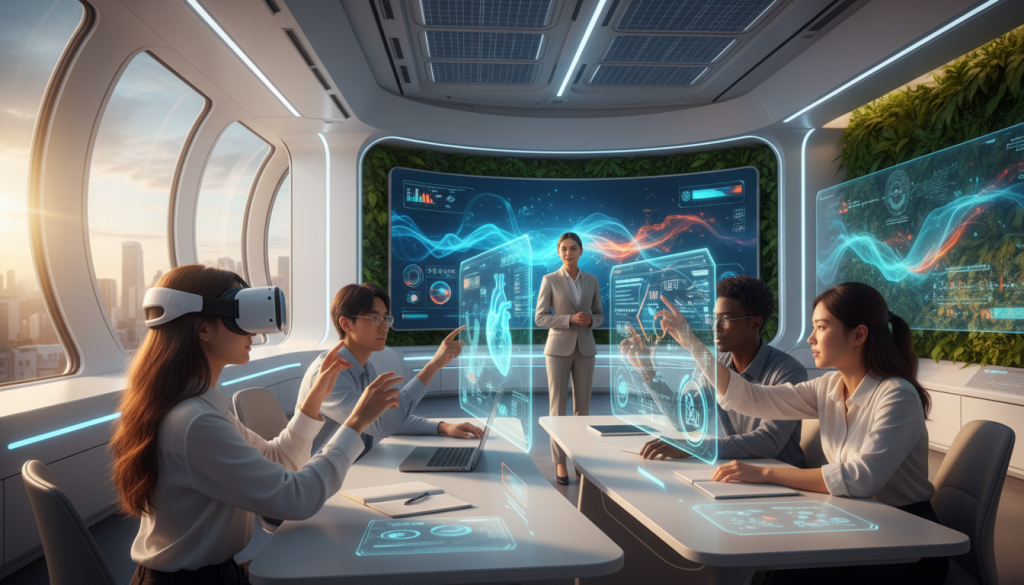
Are you ready for an educational revolution? The landscape of learning is transforming at an unprecedented pace, driven by technological innovation and a deeper understanding of human potential. Traditional models are giving way to dynamic, engaging, and highly effective approaches designed to prepare learners for an ever-evolving world. At the heart of this shift lies the concept of Personalized Learning Pathways, tailoring educational experiences to individual needs and aspirations.
This isn’t just about digitizing textbooks; it’s about fundamentally rethinking how knowledge is acquired, skills are developed, and success is measured. From AI-powered tutors to virtual reality classrooms, the tools and techniques available today are reshaping what’s possible in education. Embracing these trends is crucial for institutions, educators, and learners alike to thrive in the 21st century.
Embracing Personalized Learning Pathways and Adaptive Technologies
The one-size-fits-all approach to education is rapidly becoming obsolete. Modern pedagogy champions individual learner differences, recognizing that each student has unique strengths, challenges, and learning styles. Personalized Learning Pathways allow students to progress at their own pace, focusing on areas where they need more support or can accelerate.
Integral to this personalization are sophisticated Adaptive Testing Engines that continuously assess understanding and adjust content difficulty in real-time. This data-driven approach ensures that interventions are timely and effective, a concept known as Data Driven Intervention. Furthermore, educational design is increasingly incorporating Neurodiversity Inclusive Design principles, creating environments that cater to a wider spectrum of cognitive processing, ensuring every learner feels supported and can excel.
The Power of Generative AI Integration and Immersive Experiences
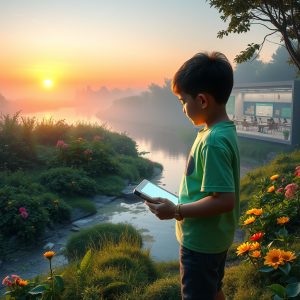
Technology is not just a tool; it’s becoming a partner in the learning process. The advent of Generative AI Integration is revolutionizing content creation, tutoring, and feedback, offering students immediate, customized assistance. Imagine AI-powered tools that can explain complex concepts in multiple ways or generate practice problems tailored to your specific misconceptions.
Beyond AI, the realm of sensory engagement is expanding. Immersive Virtual Reality (VR) and Augmented Reality (AR) are transporting students to historical events, scientific labs, or even into the human body, providing experiences that were once impossible. These Cyber Physical Learning environments bridge the gap between theoretical knowledge and practical application, making abstract concepts tangible and engaging.
Building Future-Ready Skills with Micro Credentials and Project-Based Learning
The demands of the modern workforce are shifting from traditional degrees to demonstrable skills. This has fueled the rise of Micro Credentials – verifiable, bite-sized certifications that validate specific competencies. These allow individuals to quickly upskill or reskill, making education more agile and responsive to industry needs.
Coupled with this is a greater emphasis on experiential learning. Project Based Assessment moves beyond rote memorization, challenging students to apply knowledge to solve real-world problems, fostering critical thinking and collaboration. These practical applications are essential for developing robust Workforce Readiness Pathways and aligning education directly with Skills Based Hiring practices.
Fostering Engagement through Gamified Learning and Social-Emotional Growth
Engagement is key to effective learning, and Gamified Learning Environments are proving to be incredibly powerful. By incorporating elements like points, badges, leaderboards, and interactive challenges, education becomes more motivating and enjoyable. This approach taps into intrinsic human drives for achievement and recognition.
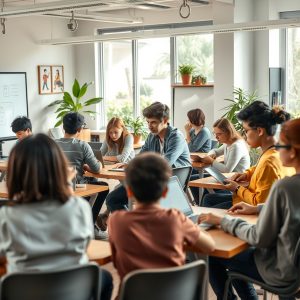
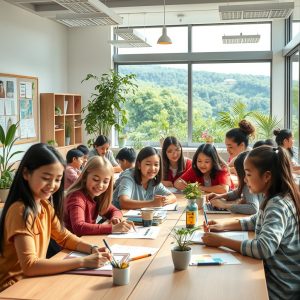
However, learning is not just cognitive; it’s deeply social and emotional. Dedicated attention to Social Emotional Learning (SEL) helps students develop self-awareness, self-management, social awareness, relationship skills, and responsible decision-making. Initiatives like Peer To Peer Collaboration further enhance these skills, creating supportive communities where students learn from and with each other, building essential interpersonal competencies.
Crafting Flexible and Sustainable Learning Ecosystems
The pandemic accelerated the adoption of flexible learning models, making Blended Hybrid Models a staple in education. These approaches combine the best of in-person and online instruction, offering flexibility and accessibility. This adaptability is crucial for building resilient Lifelong Learning Ecosystems that support individuals through every stage of their personal and professional development.
Beyond delivery models, the physical and digital infrastructure of education is evolving. Sustainable Campus Initiatives are integrating environmental responsibility into educational practices and facilities. Simultaneously, robust Digital Literacy Curricula are equipping students with the essential skills to navigate and thrive in an increasingly connected world, often delivered through convenient Mobile First Education platforms. The future of education embraces a holistic, adaptable, and human-centered pedagogy, continuously evolving to meet the complex needs of society.