Navigating the Future of Learning: Personalized Pathways and AI-Driven Education
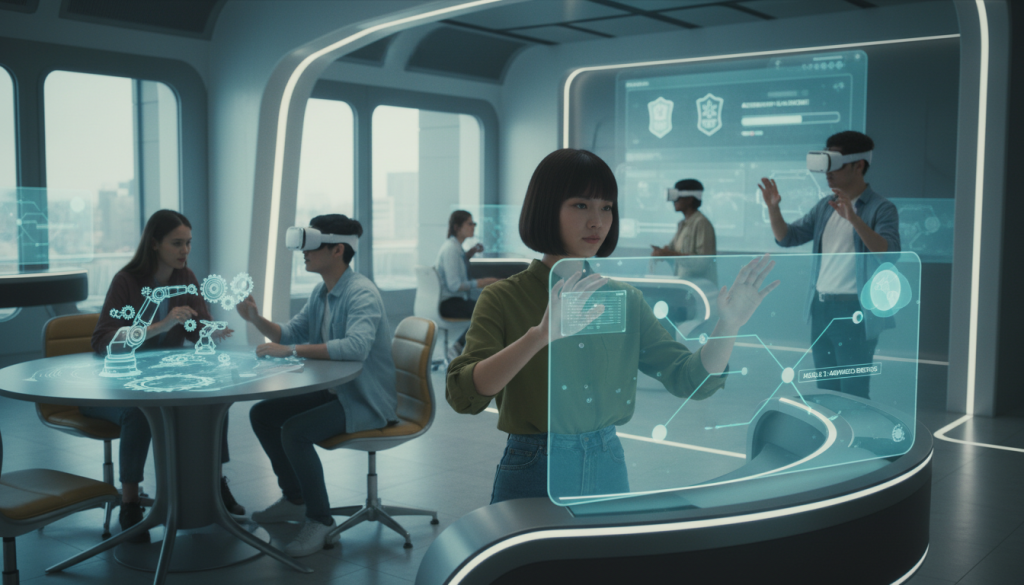
The landscape of education is undergoing a profound transformation, moving beyond traditional one-size-fits-all models to embrace dynamic, learner-centric approaches. At the heart of this evolution are Personalized Learning Pathways, designed to cater to individual needs, paces, and preferences. No longer confined to rigid structures, today’s educational journey is becoming as unique as each student it serves, promising a more engaging and effective experience for everyone.
Unlocking Potential with Generative AI and Adaptive Engines
The integration of cutting-edge technology is a cornerstone of modern education. Generative AI Integration is revolutionizing content creation, curriculum design, and even personalized feedback. These intelligent systems can craft unique learning materials, adapting in real-time to a student’s progress and understanding.
Complementing this, Adaptive Testing Engines provide continuous assessment that not only measures knowledge but also identifies learning gaps instantly. This data-driven approach allows for immediate adjustments to a student’s pathway, ensuring timely intervention and support. It’s a powerful shift towards proactive, rather than reactive, education.
Building Competence Through Skills-Based Learning and Micro-Credentials
The global workforce demands specific competencies, leading to a surge in Skills Based Hiring. Education is responding by shifting focus from broad degrees to tangible skills. This is where Micro Credentials play a vital role, offering verifiable recognition for mastering specific skill sets.
These bite-sized qualifications empower learners to acquire relevant expertise efficiently, directly addressing industry needs. Furthermore, Project Based Assessment methods align perfectly with this paradigm, allowing students to demonstrate practical application of their knowledge in real-world scenarios, fostering deeper understanding and critical thinking.
Engaging Minds: Gamified and Immersive Learning Environments
Keeping learners engaged is paramount, and innovative pedagogical approaches are leading the way. Gamified Learning Environments inject elements of play, competition, and reward into educational content, making complex subjects more accessible and enjoyable. This encourages active participation and intrinsic motivation.
The advent of Immersive Virtual Reality and Cyber Physical Learning takes engagement to an unprecedented level. Students can explore historical sites, conduct virtual lab experiments, or simulate complex engineering tasks, all within a safe and interactive digital space. These experiences foster deeper understanding and practical skill development through active exploration and Peer To Peer Collaboration.
Nurturing Holistic Growth: Social Emotional Learning and Neurodiversity
Education extends beyond academics to encompass the whole individual. Social Emotional Learning (SEL) is increasingly integrated into curricula, helping students develop self-awareness, empathy, and responsible decision-making skills. These competencies are crucial for personal well-being and effective interaction in a diverse world.
Neurodiversity Inclusive Design ensures that learning environments are accessible and supportive for all students, recognizing and valuing different cognitive strengths. By embracing varied learning styles and needs, educators can create truly equitable and enriching experiences that celebrate every individual’s potential.
Flexible Futures: Blended Hybrid Models and Digital Literacy
The modern learner requires flexibility, a need addressed by Blended Hybrid Models of education. Combining online and in-person instruction, these models offer convenience without sacrificing interaction. They also promote self-directed learning and time management skills, essential for lifelong success.
In a rapidly digitizing world, strong Digital Literacy Curricula are non-negotiable. Students must not only consume but also critically evaluate and create digital content responsibly. This foundation is further enhanced by Mobile First Education strategies, making learning resources accessible anytime, anywhere, directly from personal devices.
Driving Progress with Data-Driven Intervention and Lifelong Learning
Leveraging analytics is key to optimizing educational outcomes. Data Driven Intervention allows educators to identify at-risk students and implement targeted support strategies efficiently. This proactive approach minimizes learning gaps and maximizes student success. This commitment to a Human Centered Pedagogy ensures every learner thrives.
Ultimately, these advancements contribute to robust Workforce Readiness Pathways, equipping individuals with the skills and adaptability needed for evolving careers. They also foster vibrant Lifelong Learning Ecosystems, encouraging continuous personal and professional development throughout one’s journey. The future of education is about empowering individuals to navigate a complex world with curiosity, competence, and confidence.