The Soul’s Canvas: How Interactive Parental Involvement Paints the Masterpiece of a Child’s Education
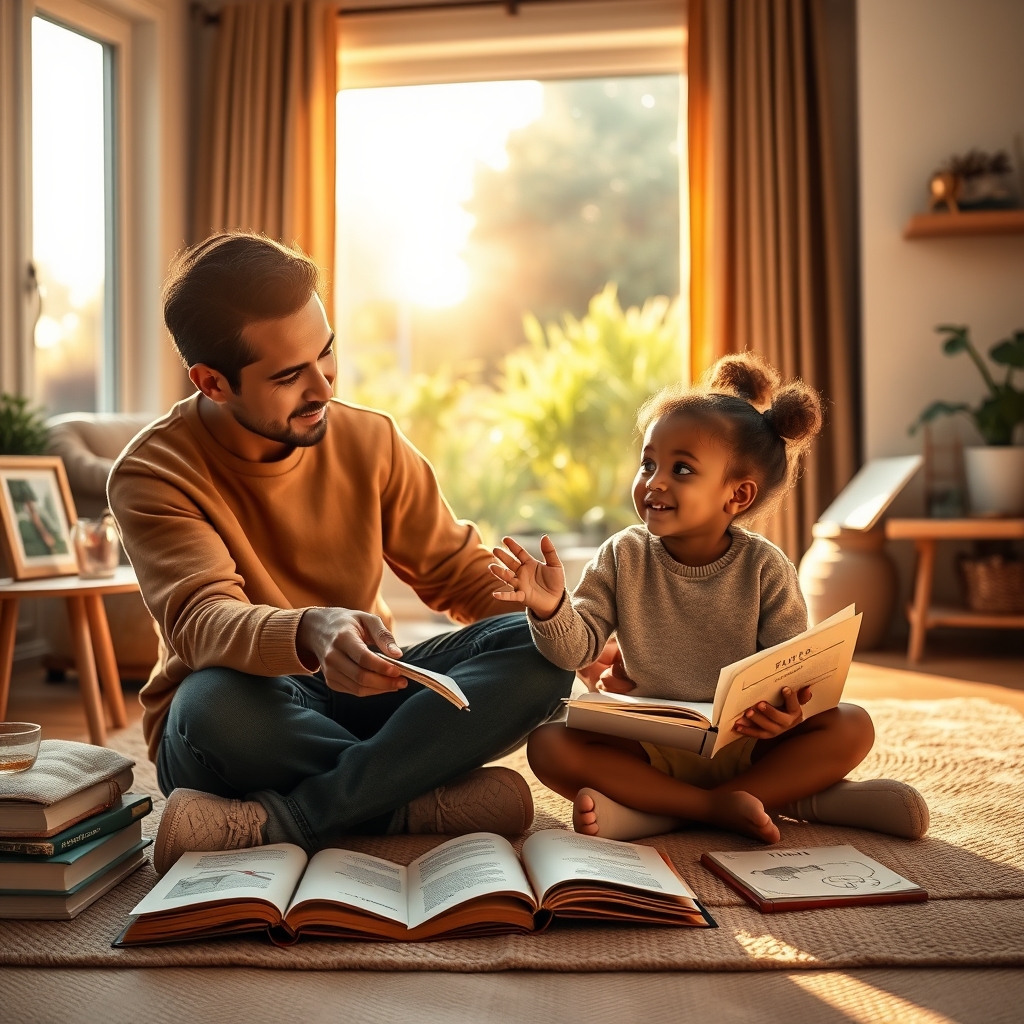
There is a quiet magic in the way a child’s eyes light up when they realize someone is truly listening—not just hearing, but listening, with the kind of attention that makes the world feel a little bigger, a little kinder. That magic is often woven not in the classroom alone, but in the spaces where learning spills beyond its walls, where the hands of parents and caregivers become brushes dipped in the colors of curiosity, patience, and love. This is the art of interactive parental involvement, a dance of presence and participation that transforms education from a solitary journey into a shared masterpiece.
The Alchemy of Shared Wonder
Education, at its most profound, is not a transaction but a transformation. It is the slow, deliberate alchemy of turning questions into discoveries, struggles into strengths, and silence into stories. When parents step into this process not as spectators but as co-creators, something extraordinary happens. The child no longer feels like a vessel to be filled but a fire to be kindled. The dinner table becomes a laboratory for debate, the walk to school a seminar on the poetry of clouds, and the bedtime story a portal to worlds where anything is possible.
This kind of involvement is not about hovering or micromanaging. It is about being there—not just physically, but emotionally, intellectually. It is the parent who asks, “What made you curious today?” instead of “What did you learn?” It is the caregiver who listens to the frustration in a child’s voice when a math problem feels like an unsolvable riddle and responds not with answers, but with, “Tell me more about where it’s confusing.” These moments are the threads that weave resilience into the fabric of a child’s spirit.
The Unseen Curriculum of Everyday Life
Schools teach subjects, but life teaches lessons. The most powerful education often happens in the unscripted moments—the ones that don’t fit neatly into a lesson plan. A parent who models empathy when a neighbor is struggling, who shows vulnerability by admitting, “I don’t know, let’s find out together,” or who celebrates effort more than achievement is teaching a curriculum far more valuable than any textbook. These are the lessons that shape character, that teach children how to navigate the world not just as students, but as humans.
Interactive parental involvement is also about recognizing that learning is not confined to the hours between the school bell’s ring. It is in the way a child measures ingredients for a recipe, calculating fractions without realizing they’re doing math. It is in the way they negotiate with siblings over a game, practicing conflict resolution and compromise. It is in the way they watch a parent balance a budget or write a heartfelt letter, absorbing the quiet power of responsibility and expression. These are the classrooms of life, and parents are the most influential teachers within them.
The Bridge Between Home and School
When parents and educators collaborate, the child stands at the center of a bridge built on trust and shared purpose. This partnership doesn’t require grand gestures; it thrives in the small, consistent acts of communication and connection. A teacher who takes the time to share a child’s breakthroughs—not just their grades—invites parents into the narrative of their child’s growth. A parent who listens to a teacher’s observations without defensiveness opens the door to deeper understanding. Together, they create a circle of support that holds the child in a space where they feel seen, valued, and capable.
This kind of collaboration also dismantles the artificial divide between “school learning” and “real life.” When parents and teachers align their efforts, the child experiences education as a seamless tapestry rather than a series of disconnected threads. A project on sustainability becomes a family discussion about reducing waste at home. A history lesson on civil rights sparks conversations about justice and fairness in the community. The classroom extends into the living room, and the living room becomes an extension of the classroom.
The Language of Love and Learning
Perhaps the most powerful tool in a parent’s educational arsenal is the language they use. Words can build bridges or walls, inspire confidence or instill doubt. When a parent says, “I believe in you,” it plants a seed of self-assurance that can weather the storms of failure and frustration. When they ask, “How did that make you feel?” they teach emotional intelligence, the foundation of all meaningful learning. And when they say, “Let’s figure this out together,” they model collaboration, curiosity, and the joy of shared discovery.
This language is not about empty praise or hollow encouragement. It is about presence—the kind that makes a child feel safe to take risks, to stumble, to rise again. It is the difference between a child who sees a challenge as a threat and one who sees it as an opportunity. It is the difference between a child who learns to perform and one who learns to grow.
The Ripple Effect of Shared Growth
Interactive parental involvement doesn’t just benefit the child; it transforms the parent as well. In the act of guiding, listening, and learning alongside their child, parents rediscover their own capacity for wonder. They remember what it feels like to not have all the answers, to be a beginner, to see the world with fresh eyes. This shared growth fosters a relationship built not on authority, but on mutual respect and exploration. It turns parenting from a role into a relationship, one where both parties are learners and teachers in equal measure.
This ripple effect extends beyond the family, too. When parents are actively engaged in their child’s education, they become advocates for a more compassionate, inclusive, and dynamic approach to learning. They challenge systems that prioritize standardization over individuality, and they demand spaces where every child’s voice is heard. In this way, interactive parental involvement becomes a quiet revolution, one that reshapes not just individual lives, but the very landscape of education.
There is a tenderness in watching a child’s mind unfold, like the petals of a flower turning toward the sun. It is a process that cannot be rushed, cannot be forced, but can be nurtured with patience, presence, and love. When parents step into this role not as directors but as companions on the journey, they offer their children the greatest gift of all: the knowledge that they are not alone. That their questions matter. That their struggles are shared. That their growth is a story worth telling, again and again, in the quiet moments between the lines.