
The Role of Emotional Intelligence in Supporting Diverse Learners
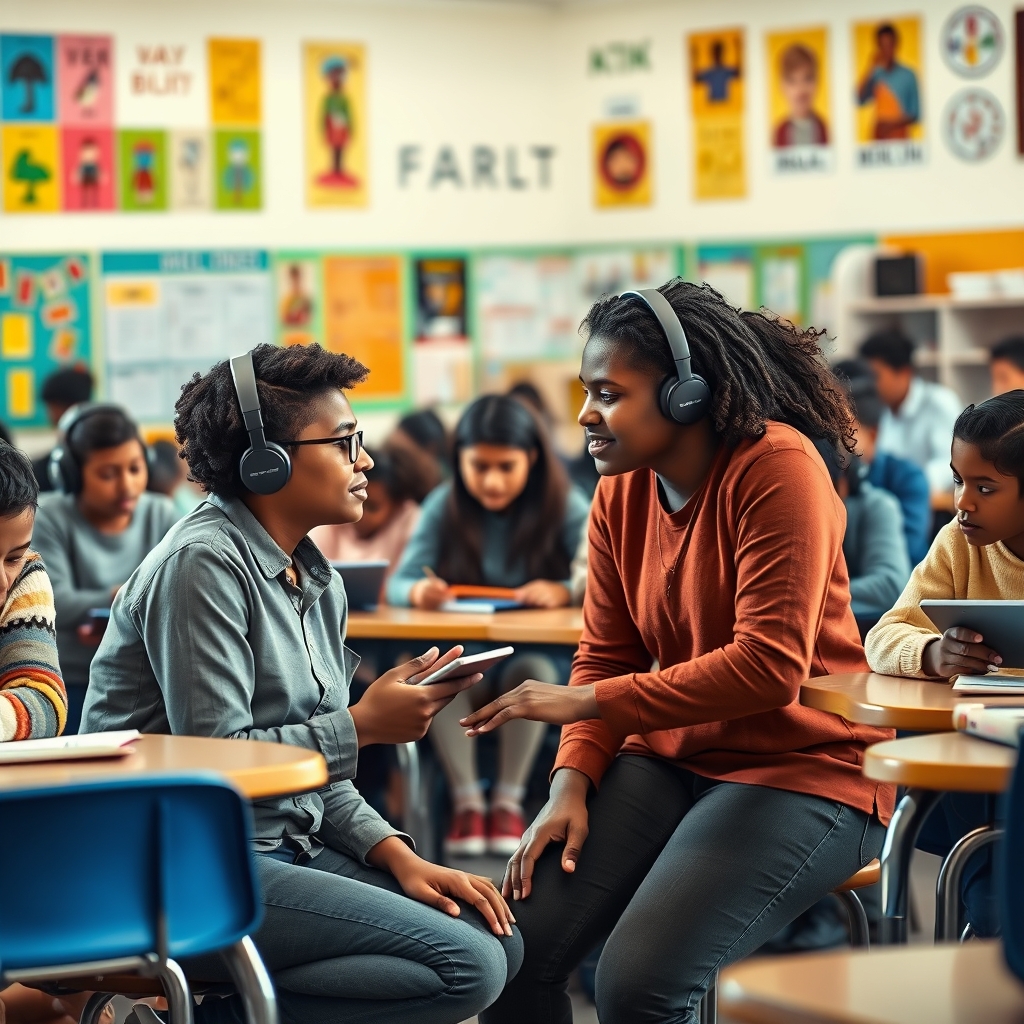
In today’s classrooms, diversity is not just a buzzword—it’s a reality. Students come from varied cultural, linguistic, socioeconomic, and neurodiverse backgrounds, each bringing unique strengths, challenges, and perspectives. While traditional teaching methods often focus on academic instruction, the role of emotional intelligence (EI) in fostering an inclusive and supportive learning environment cannot be overstated. Emotional intelligence equips educators with the tools to connect with students on a deeper level, creating spaces where every learner feels seen, valued, and empowered to thrive.
The Foundation of Emotional Intelligence in Education
Emotional intelligence, as defined by psychologist Daniel Goleman, encompasses five key components: self-awareness, self-regulation, motivation, empathy, and social skills. In the context of education, these components translate into a teacher’s ability to recognize their own emotions, manage classroom dynamics, inspire students, understand their individual needs, and build meaningful relationships. For diverse learners, these skills are particularly critical. A student who feels misunderstood or marginalized may struggle to engage with the material, regardless of its quality. Conversely, when educators prioritize EI, they lay the groundwork for trust, collaboration, and academic growth.
Research has consistently shown that emotionally intelligent teaching improves student outcomes. A study published in the Journal of Educational Psychology found that students in classrooms where teachers demonstrated high emotional intelligence exhibited greater motivation, better behavior, and higher academic achievement. This effect was even more pronounced among students from underrepresented or disadvantaged backgrounds. The reason is simple: when students feel emotionally safe, they are more likely to take risks, ask questions, and persist through challenges.
Building Empathy: The Heart of Inclusive Teaching
Empathy is the cornerstone of emotional intelligence in education. It goes beyond sympathy—it’s the ability to step into a student’s shoes, understand their experiences, and respond with compassion. For diverse learners, empathy can bridge gaps created by language barriers, cultural differences, or learning disabilities. For example, a student who is an English language learner may feel isolated if their struggles with language are misinterpreted as a lack of intelligence. An empathetic teacher, however, recognizes the effort behind the student’s progress and provides encouragement rather than criticism.
One practical strategy for building empathy is active listening. This involves giving students undivided attention, paraphrasing their concerns to show understanding, and validating their emotions. For instance, if a student expresses frustration over a group project, an empathetic teacher might say, “It sounds like you’re feeling overwhelmed by the workload. Let’s break it down together.” This simple act of acknowledgment can make a world of difference in how a student perceives their teacher’s support.
Another powerful tool is perspective-taking exercises. Educators can incorporate activities that encourage students to share their backgrounds, traditions, or personal stories. This not only fosters empathy among peers but also helps teachers gain insights into their students’ lives outside the classroom. For example, a “cultural show-and-tell” where students bring in items or stories from their heritage can create a sense of belonging and mutual respect.
Understanding Diverse Needs Through Emotional Intelligence
Diverse learners often face unique challenges that require tailored support. Emotional intelligence enables teachers to identify these needs and respond appropriately. For instance, a student with autism may struggle with sensory overload in a noisy classroom. An emotionally intelligent teacher might notice the student’s discomfort and offer a quiet space or noise-canceling headphones as an accommodation. Similarly, a student from a low-income household might feel embarrassed about not having school supplies. A teacher who practices EI would address the issue privately and discreetly, ensuring the student’s dignity remains intact.
To better understand diverse needs, educators can use reflective practices such as journaling or peer observations. Journaling allows teachers to process their interactions with students, identify patterns in behavior, and adjust their approaches accordingly. Peer observations, where colleagues observe each other’s classrooms, can provide fresh perspectives on how to support students more effectively. These practices not only enhance emotional intelligence but also create a culture of continuous learning among educators.
Strategies for Fostering Supportive Relationships
Supportive relationships are the bedrock of a positive learning environment. Emotional intelligence helps teachers cultivate these relationships by fostering trust, respect, and open communication. One effective strategy is the use of positive reinforcement. Instead of focusing solely on academic performance, teachers can praise students for their effort, resilience, and growth. For example, a teacher might say, “I noticed how you kept trying even when the math problem was difficult. That’s perseverance, and it’s going to take you far.” This kind of feedback builds confidence and reinforces a growth mindset.
Another strategy is creating opportunities for student voice and choice. When students feel their opinions are valued, they are more likely to engage in the learning process. This can be as simple as allowing students to choose between two essay topics or involving them in decision-making about classroom rules. For diverse learners, this sense of agency can be particularly empowering, as it validates their identities and experiences.
Conflict resolution is another area where emotional intelligence plays a vital role. In diverse classrooms, misunderstandings or disagreements are inevitable. An emotionally intelligent teacher approaches conflicts with a calm demeanor, listens to all parties involved, and guides students toward mutually respectful solutions. For example, if two students from different cultural backgrounds clash over a group project, the teacher might facilitate a discussion where each student shares their perspective and works toward a compromise. This not only resolves the immediate issue but also teaches students valuable skills in empathy and collaboration.
The Ripple Effect of Emotional Intelligence
The impact of emotional intelligence extends far beyond the classroom. When educators model EI, they teach students essential life skills such as self-awareness, emotional regulation, and empathy. These skills are critical for navigating relationships, workplaces, and communities in an increasingly diverse world. Moreover, emotionally intelligent classrooms foster a sense of community where differences are celebrated rather than tolerated. Students learn to appreciate the richness of diversity and develop the tools to build inclusive environments wherever they go.
For teachers, the journey toward emotional intelligence is ongoing. It requires self-reflection, a willingness to learn, and a commitment to putting students’ emotional well-being at the forefront. The rewards, however, are immeasurable. By embracing emotional intelligence, educators can transform their classrooms into spaces where every student, regardless of background, feels capable, connected, and ready to succeed. In doing so, they not only enhance academic outcomes but also nurture the next generation of empathetic, resilient, and socially aware individuals who will shape a more inclusive future.