Embracing Every Learner: The Power of Truly Inclusive Education
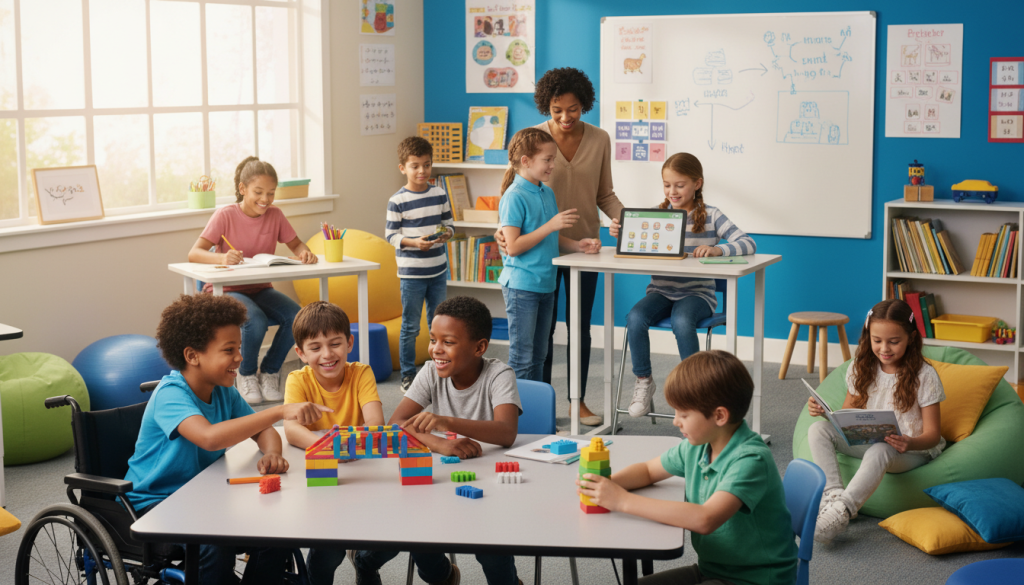
Inclusive Education is more than just a buzzword; it’s a fundamental shift in how we perceive and deliver learning. It moves beyond simply placing students with Special Education Needs (SEN) in general education classrooms, striving instead to create environments where every child, regardless of their background, ability, or learning style, feels genuinely valued, supported, and challenged to reach their full potential. This paradigm recognizes that diversity enriches the learning experience for everyone, fostering empathy, understanding, and a richer educational tapestry.
The Pillars of True Inclusion
Understanding Special Education Needs (SEN) and Neurodiversity
At the heart of inclusive education lies a deep understanding of diverse learners. This includes recognizing and supporting students with various Special Education Needs, from learning disabilities to physical impairments. Crucially, it also encompasses a growing awareness of Neurodiversity, celebrating the natural variations in human brains rather than viewing differences as deficits. By embracing Neurodiversity Awareness, educators can better appreciate unique strengths and challenges, moving away from a ‘one-size-fits-all’ approach to one that respects individual cognitive profiles. This understanding is foundational to providing effective Learning Disabilities Support and ensuring every student’s voice is heard.
Differentiated Instruction: Tailoring the Learning Experience
To truly serve a diverse student body, Differentiated Instruction becomes indispensable. This approach involves tailoring content, process, products, and the learning environment to meet the varied needs of students. It’s not about creating 30 different lessons for 30 students, but rather providing multiple avenues for students to acquire content, process ideas, and demonstrate their learning. Adaptive Learning Methods, often supported by technology, can play a significant role here, offering personalized pathways and resources that adjust to a student’s pace and style. This ensures that gifted learners are challenged and those needing extra support receive it, all within the same classroom setting.
The Role of Individualized Education Plans (IEPs)
For students with identified Special Education Needs, an Individualized Education Plan (IEP) is a critical document. Developed collaboratively by educators, parents, and sometimes the student themselves, an IEP outlines specific educational goals, necessary accommodations, and specialized services. It acts as a roadmap, ensuring that targeted support is consistently provided, progress is monitored, and adjustments are made as needed. The IEP is a testament to the commitment to meet each student where they are and guide them forward.
Beyond Academics: Nurturing the Whole Child
Social Emotional Learning (SEL) and Mental Health Education
An inclusive classroom understands that academic success is deeply intertwined with emotional well-being. Social Emotional Learning (SEL) programs teach vital skills such as self-awareness, self-management, social awareness, relationship skills, and responsible decision-making. Alongside this, robust Mental Health Education initiatives are crucial. They help students identify and articulate their feelings, reduce stigma around mental health challenges, and provide avenues for support. Prioritizing Student Wellbeing through SEL and Mental Health Education creates a safe and supportive atmosphere where all learners can thrive emotionally and academically.
Character Education Values and Moral Education
Fostering an inclusive environment also means cultivating a strong sense of community and shared values. Character Education Values, such as empathy, respect, responsibility, and perseverance, are not just taught but lived within the school culture. Moral Education helps students develop a strong ethical compass, encouraging them to think critically about their actions and their impact on others. When these values are embedded, students learn to appreciate differences, stand up for one another, and contribute positively to their classroom and wider community.
Behavioral Intervention and Positive Classroom Management
Supporting students with challenging behaviors is another key aspect of inclusion. Rather than simply punishing, effective Behavioral Intervention strategies seek to understand the root causes of behavior and teach alternative, more constructive responses. Positive Classroom Management techniques focus on building strong relationships, setting clear expectations, and consistently reinforcing positive behaviors. This approach, informed by Educational Psychology, creates a supportive structure that helps all students regulate their emotions and participate constructively in learning.
Creating an Inclusive Ecosystem
Classroom Inclusion Strategies and Inclusive Classroom Design
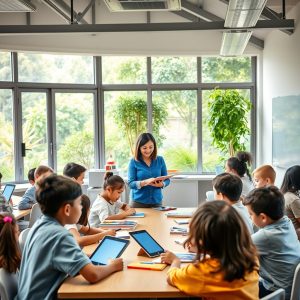
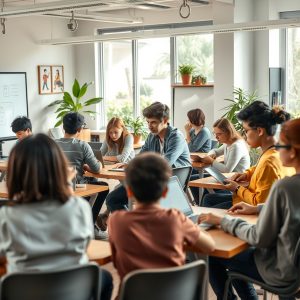
Practical strategies are essential for daily inclusion. This includes flexible seating arrangements, collaborative learning opportunities, visual schedules, and clear communication. Inclusive Classroom Design goes beyond aesthetics; it considers accessibility, sensory comfort, and the creation of various learning zones to accommodate different needs and preferences. From accessible ramps to quiet corners for reflection, every element should signal welcome and support for all.
Teacher Professional Development
The journey towards truly inclusive education requires ongoing commitment from educators. Teacher Professional Development is vital, equipping teachers with the latest research, strategies, and tools for Differentiated Instruction, Behavioral Intervention, and supporting diverse learners. Training in Educational Psychology and Neurodiversity Awareness helps teachers develop the mindset and skills necessary to champion Equity In Education, transforming challenges into opportunities for growth for every student.
Early Childhood Education as a Foundation
The seeds of inclusion are best sown early. Early Childhood Education plays a pivotal role in shaping attitudes towards diversity and establishing foundational social-emotional skills. When young children learn alongside peers of varying abilities and backgrounds, they naturally develop empathy, acceptance, and an understanding that differences are a normal and valuable part of life. This early exposure builds a robust foundation for a truly inclusive educational journey.
Ultimately, inclusive education isn’t a program or a set of policies; it’s a philosophy that underpins every aspect of a school’s operation. It’s a continuous commitment to adapting, innovating, and ensuring that every child not only has access to education but also feels a profound sense of belonging and opportunity. By embracing this holistic approach, we don’t just educate students; we cultivate compassionate, capable citizens ready to contribute to a more equitable and understanding world, reflecting the very best of human potential.