Empowering Educators: Integrating Differentiated Learning in the Latest Indonesian Curriculum
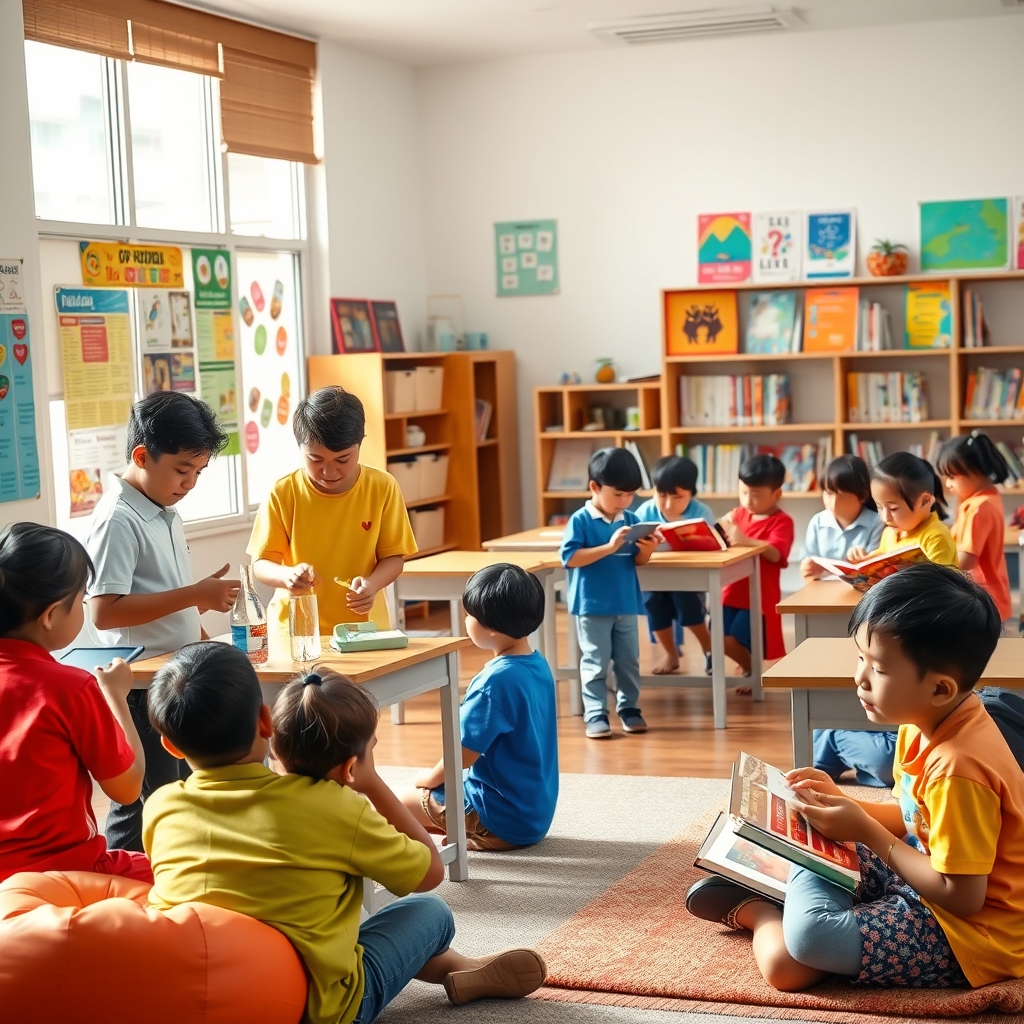
The evolution of education in Indonesia has taken a significant leap with the introduction of the latest curriculum, designed to meet the diverse needs of students in the 21st century. At the heart of this transformation lies the Differentiated Learning Model, a strategy that recognizes the unique abilities, interests, and learning paces of each student. As educators navigate this shift, understanding how to effectively implement differentiated learning within the framework of the new curriculum becomes paramount. This approach not only enhances student engagement but also fosters an inclusive classroom environment where every learner can thrive.
The Core Principles of Differentiated Learning
Differentiated learning is built on the foundation of flexibility—flexibility in content, process, and product. Unlike traditional one-size-fits-all teaching methods, this model allows educators to tailor their instruction to accommodate the varied learning profiles of their students. For instance, while some students may grasp concepts quickly through visual aids, others might require hands-on activities or auditory explanations. By leveraging multiple modalities, teachers can ensure that no student is left behind, aligning perfectly with the Minimum Education Service Standards set by the Indonesian government.
Moreover, differentiated learning emphasizes the importance of formative assessments. These ongoing evaluations enable teachers to identify gaps in understanding and adjust their strategies in real time. This dynamic approach not only improves academic outcomes but also builds students’ confidence and motivation, key components of Positive Classroom Discipline. When students feel seen and supported, they are more likely to engage actively in the learning process, reducing behavioral issues and fostering a culture of respect and collaboration.
Aligning Differentiated Learning with the Latest Indonesian Curriculum
The latest Indonesian curriculum places a strong emphasis on competency-based learning, moving away from rote memorization toward the development of critical thinking, creativity, and problem-solving skills. Differentiated learning seamlessly complements this shift by allowing educators to design lessons that cater to different competency levels. For example, in a mathematics class, students might work on the same overarching concept—such as fractions—but through different tasks. Advanced learners could tackle complex word problems, while those needing additional support might use manipulatives or visual representations to build foundational understanding.
This alignment is further strengthened by the curriculum’s focus on Project-Based Learning (PBL). PBL encourages students to explore real-world problems, collaborate with peers, and present their findings in creative ways. Differentiated learning enhances PBL by ensuring that projects are accessible to all students, regardless of their starting point. Teachers can provide scaffolding, such as step-by-step guides or peer mentoring, to help struggling students while offering extensions or open-ended challenges for those who are ready to dive deeper. The result is a classroom where every student is challenged at an appropriate level, fostering a School Quality Culture that values growth and innovation.
Effective Classroom Management in a Differentiated Environment
Implementing differentiated learning requires more than just lesson planning—it demands Effective Classroom Management strategies that create a structured yet flexible learning environment. One of the biggest challenges educators face is managing multiple activities simultaneously. To address this, teachers can use techniques such as station rotations, where students move between different learning stations, each focused on a specific skill or activity. This not only keeps students engaged but also allows teachers to circulate and provide targeted support where needed.
Another key aspect of classroom management in a differentiated setting is fostering a sense of community. When students understand that their unique needs are being met, they are more likely to respect their peers’ differences and collaborate effectively. Teachers can reinforce this by establishing clear expectations, modeling inclusive behavior, and encouraging peer feedback. Additionally, incorporating Strengthening Character Education into daily routines—such as morning meetings or reflection circles—can help build empathy and mutual respect among students.
Technology also plays a crucial role in managing a differentiated classroom. Digital tools like learning management systems (LMS) or adaptive learning platforms can help teachers track student progress, assign personalized tasks, and provide instant feedback. For instance, platforms like Independent Teaching Platform Training initiatives offer resources and training for educators to integrate technology seamlessly into their teaching. By leveraging these tools, teachers can streamline their workflow, allowing them to focus more on instruction and less on administrative tasks.
Supporting Diverse Learners: Inclusion and Special Needs
A truly differentiated classroom is one that embraces all learners, including those with special needs. The latest Indonesian curriculum underscores the importance of inclusive education, and differentiated learning provides the framework to make this a reality. For children with special needs, this might involve modifying assignments, providing assistive technologies, or offering one-on-one support. For example, a student with dyslexia might benefit from audiobooks or text-to-speech software, while a student with autism could thrive in a structured environment with clear visual schedules.
Collaboration with parents and specialists is essential in supporting these students. Schools can strengthen their Parent-School Partnership by regularly communicating with families about their child’s progress and involving them in the learning process. Workshops or training sessions on Digital Era Parenting can also equip parents with the tools they need to support their children at home. Additionally, schools can partner with special education professionals to develop individualized education plans (IEPs) that outline specific goals and accommodations for each student.
Preparing Educators for the Future of Learning
For differentiated learning to be successful, educators must be equipped with the right skills and knowledge. This is where Educator Certification and professional development programs come into play. The Indonesian government has introduced various initiatives to train teachers in modern pedagogical approaches, including differentiated instruction. These programs often cover topics such as Twenty-First Century Learning Strategies, assessment techniques, and the use of technology in the classroom. By participating in these trainings, teachers can stay updated on best practices and gain the confidence to implement them effectively.
Schools can also foster a culture of continuous improvement by encouraging peer observations and collaborative planning. When teachers share strategies, reflect on their practices, and learn from one another, they create a supportive environment that benefits both educators and students. Furthermore, schools can invest in Optimization of School Facilities and Infrastructure to create flexible learning spaces that support differentiated instruction. For example, movable furniture, quiet zones, and technology-equipped classrooms can enhance the learning experience for all students.
As Indonesia continues to refine its education system, the integration of differentiated learning into the latest curriculum represents a bold step toward creating a more equitable and effective learning environment. By embracing this model, educators can meet the diverse needs of their students, foster a culture of inclusion, and prepare learners for the challenges of the 21st century. The journey is not without its challenges, but with the right strategies, support, and mindset, every classroom can become a space where every student has the opportunity to succeed. The future of education in Indonesia is bright, and it begins with empowering educators to make a difference, one student at a time.