Building Bridges: The Power of Inclusive Education in Nurturing Every Learner’s Potential
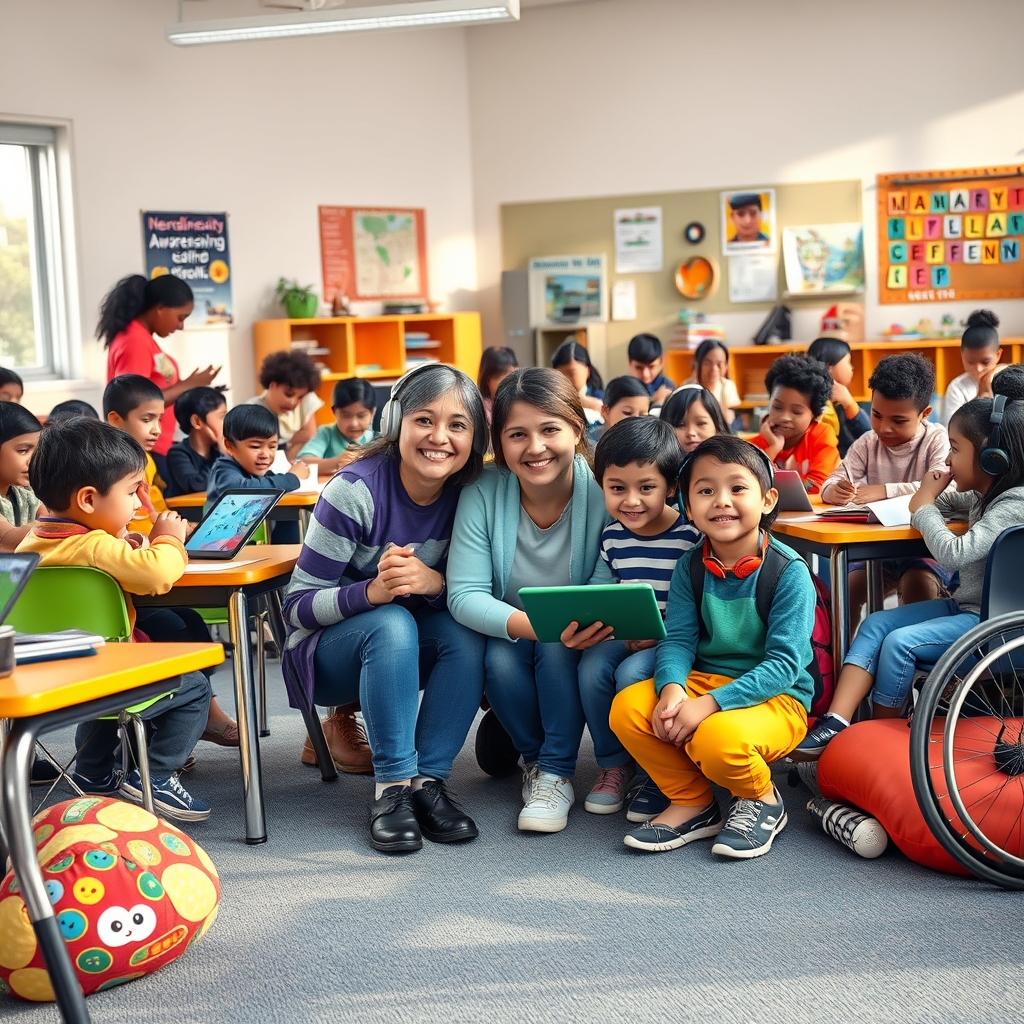
In a world that thrives on diversity, education must evolve to reflect the rich tapestry of human experiences and abilities. Inclusive education is not just a pedagogical approach; it is a philosophy that champions the idea that every student, regardless of their background, abilities, or challenges, deserves an equitable opportunity to learn and grow. At its core, inclusive education dismantles barriers, fosters empathy, and cultivates environments where differences are not just accepted but celebrated. This shift is not merely about integrating students with special education needs into mainstream classrooms—it is about reimagining education as a dynamic, adaptive, and compassionate system that meets every learner where they are.
The Foundations of Inclusive Education
Inclusive education is rooted in the belief that diversity strengthens communities. It moves beyond the traditional model of segregating students based on perceived abilities and instead embraces a holistic approach that values neurodiversity, cultural differences, and individual learning styles. Research in educational psychology consistently shows that students thrive in environments where they feel seen, heard, and supported. When classrooms are designed to be inclusive, they become microcosms of the real world, preparing students not just academically but socially and emotionally for the challenges and opportunities ahead.
One of the cornerstones of inclusive education is the Individualized Education Plan (IEP), a tailored roadmap that outlines specific goals, accommodations, and support strategies for students with learning disabilities or other special needs. IEPs are not one-size-fits-all documents; they are collaborative efforts involving educators, parents, specialists, and, when possible, the students themselves. This personalized approach ensures that learning is not a rigid, standardized process but a flexible journey that adapts to the unique strengths and challenges of each learner.
Differentiated Instruction: Meeting Students Where They Are
At the heart of inclusive education lies differentiated instruction, a teaching methodology that recognizes the diverse ways students absorb and process information. Differentiated instruction goes beyond simply modifying assignments or assessments; it involves rethinking how content is delivered, how students engage with material, and how their understanding is assessed. For example, a teacher might use visual aids for students who are visual learners, incorporate hands-on activities for kinesthetic learners, or provide audio recordings for those who benefit from auditory input. By offering multiple pathways to learning, educators can ensure that no student is left behind.
This approach is particularly impactful for students with learning disabilities, such as dyslexia or ADHD, who may struggle with traditional teaching methods. Adaptive learning methods, such as the use of assistive technologies or multisensory instruction, can bridge gaps in understanding and empower students to reach their full potential. When teachers embrace differentiated instruction, they send a powerful message: that every student’s learning journey is valid and worthy of support.
Social Emotional Learning and the Role of Character Education
Inclusive education extends beyond academics; it is deeply intertwined with social emotional learning (SEL) and character education values. SEL equips students with the skills to manage emotions, build healthy relationships, and make responsible decisions. In an inclusive classroom, these skills are not just taught—they are lived. Students learn to navigate conflicts with empathy, celebrate each other’s successes, and support one another through challenges. This creates a culture of mutual respect and belonging, where students feel safe to express themselves and take academic risks.
Character education further reinforces these values by instilling principles such as integrity, kindness, and perseverance. When students see these values modeled by their teachers and peers, they internalize them as part of their own identity. This is especially important for students with behavioral challenges, who may benefit from structured behavioral interventions that teach self-regulation and positive coping strategies. By integrating SEL and character education into the curriculum, schools can foster not just academic success but also student wellbeing and emotional resilience.
Neurodiversity Awareness: Celebrating Differences in the Classroom
Neurodiversity is a concept that recognizes and respects the natural variations in human brain function. Conditions such as autism, ADHD, and dyslexia are not deficits but differences that bring unique perspectives and strengths to the classroom. Inclusive education embraces neurodiversity by creating environments where all students, regardless of their neurological makeup, can thrive. This begins with neurodiversity awareness, which involves educating teachers, students, and parents about the spectrum of cognitive differences and the value they bring to learning communities.
For example, a student with autism might excel in pattern recognition or attention to detail, while a student with ADHD might bring creativity and energy to group projects. By reframing these differences as assets rather than obstacles, educators can design learning experiences that leverage the strengths of every student. This might include flexible seating arrangements, sensory-friendly spaces, or project-based learning that allows students to explore topics in ways that align with their interests and abilities. When neurodiversity is celebrated, classrooms become incubators for innovation and collaboration.
Equity in Education: Designing Classrooms for All
Equity in education is the bedrock of inclusive practices. Unlike equality, which assumes that all students should receive the same resources and opportunities, equity recognizes that some students need additional support to achieve the same outcomes. This might involve providing assistive technologies for students with disabilities, offering culturally responsive teaching that reflects diverse backgrounds, or implementing inclusive classroom design that accommodates a variety of learning needs. For instance, classrooms might include quiet zones for students who need a break from sensory overload, or flexible grouping strategies that allow students to collaborate in ways that suit their strengths.
Teacher professional development plays a critical role in advancing equity in education. Educators must be equipped with the knowledge and skills to implement inclusive strategies effectively. This includes training in adaptive learning methods, trauma-informed teaching, and culturally responsive pedagogy. When teachers are supported in their own learning, they are better prepared to create classrooms that are not just inclusive in name but in practice. Schools that prioritize professional development send a clear message: that every student’s success is a shared responsibility.
The Ripple Effect of Inclusive Education
Inclusive education is not just about transforming classrooms; it is about transforming societies. When students grow up in environments that value diversity and equity, they carry these principles into their communities, workplaces, and beyond. Early childhood education, in particular, plays a pivotal role in shaping these values. Young children are naturally curious and open-minded, and when they are exposed to inclusive practices from an early age, they learn to see differences as a normal and enriching part of life. This lays the foundation for a more empathetic and just society.
Moreover, inclusive education benefits all students, not just those with special needs. When classrooms are designed to be inclusive, they become more dynamic and engaging for everyone. Students learn to collaborate, communicate, and problem-solve in ways that reflect the real world. They develop a deeper understanding of the challenges faced by their peers and a greater appreciation for the strengths that diversity brings. In this way, inclusive education is not just a strategy for supporting students with disabilities—it is a blueprint for creating a more compassionate and connected world.
The journey toward inclusive education is ongoing, filled with challenges and opportunities. It requires a commitment to continuous learning, a willingness to challenge traditional norms, and a deep belief in the potential of every student. But the rewards are immeasurable. When education is truly inclusive, it becomes a powerful force for change, breaking down barriers and building bridges between people of all abilities, backgrounds, and experiences. In the end, inclusive education is not just about teaching students—it is about empowering them to shape a future where everyone belongs.