10 Essential Tools to Enhance Inclusive Education in Your Classroom
Inclusive education is not just a philosophy; it’s a practice that ensures every student, regardless of ability or background, has access to meaningful learning experiences. The right tools can transform a classroom into a space where diversity is celebrated, and barriers to learning are dismantled. From assistive technologies to adaptive strategies, these ten essential tools can help educators create an environment where all students thrive.
The Power of Assistive Technology
Assistive technology bridges gaps for students with disabilities, enabling them to participate fully in classroom activities. These tools are designed to support communication, mobility, and cognitive processing, ensuring that no student is left behind.
1. Text-to-Speech Software
For students with dyslexia, visual impairments, or other reading challenges, text-to-speech (TTS) software converts written text into spoken words. Tools like NaturalReader or Read&Write allow students to listen to textbooks, worksheets, and digital content, making information more accessible. TTS software also benefits auditory learners and English language learners by reinforcing comprehension through listening.
2. Speech-to-Text Applications
Students with motor skill difficulties, dysgraphia, or other writing challenges can benefit from speech-to-text applications. Programs like Dragon NaturallySpeaking or Google’s Voice Typing enable students to dictate their thoughts, reducing the physical strain of writing while improving the quality of their work. This tool empowers students to focus on their ideas rather than the mechanics of writing.
3. Alternative Input Devices
For students with limited mobility or fine motor control, traditional keyboards and mice may not be accessible. Alternative input devices, such as eye-tracking systems (like Tobii Dynavox) or adaptive keyboards, allow students to interact with computers and tablets using alternative methods. These tools ensure that physical disabilities do not hinder a student’s ability to engage with digital learning.
Adaptive Learning Platforms
Adaptive learning platforms use artificial intelligence to personalize instruction, adjusting the difficulty and pace of content based on a student’s performance. These platforms are invaluable in inclusive classrooms, where students may have varying levels of proficiency and learning styles.
4. Khan Academy
Khan Academy offers a vast library of free, interactive lessons across subjects like math, science, and humanities. Its adaptive features allow students to learn at their own pace, with instant feedback and personalized recommendations. Teachers can assign specific lessons to address individual learning gaps, making it a versatile tool for differentiated instruction.
5. DreamBox Learning
Specializing in math education, DreamBox Learning uses adaptive algorithms to tailor lessons to each student’s skill level. The platform provides real-time data to teachers, helping them identify areas where students struggle and adjust instruction accordingly. Its game-based approach keeps students engaged while reinforcing foundational concepts.
6. Newsela
Newsela is a literacy platform that provides current events and nonfiction articles at multiple reading levels. Teachers can assign the same article to the entire class, but each student reads it at a level that matches their proficiency. This tool promotes equity in the classroom by ensuring all students can access the same content without feeling excluded due to reading difficulties.
Classroom Strategies for Inclusivity
While technology plays a crucial role in inclusive education, classroom strategies and physical tools are equally important. These approaches foster a supportive environment where all students feel valued and capable of success.
7. Flexible Seating Arrangements
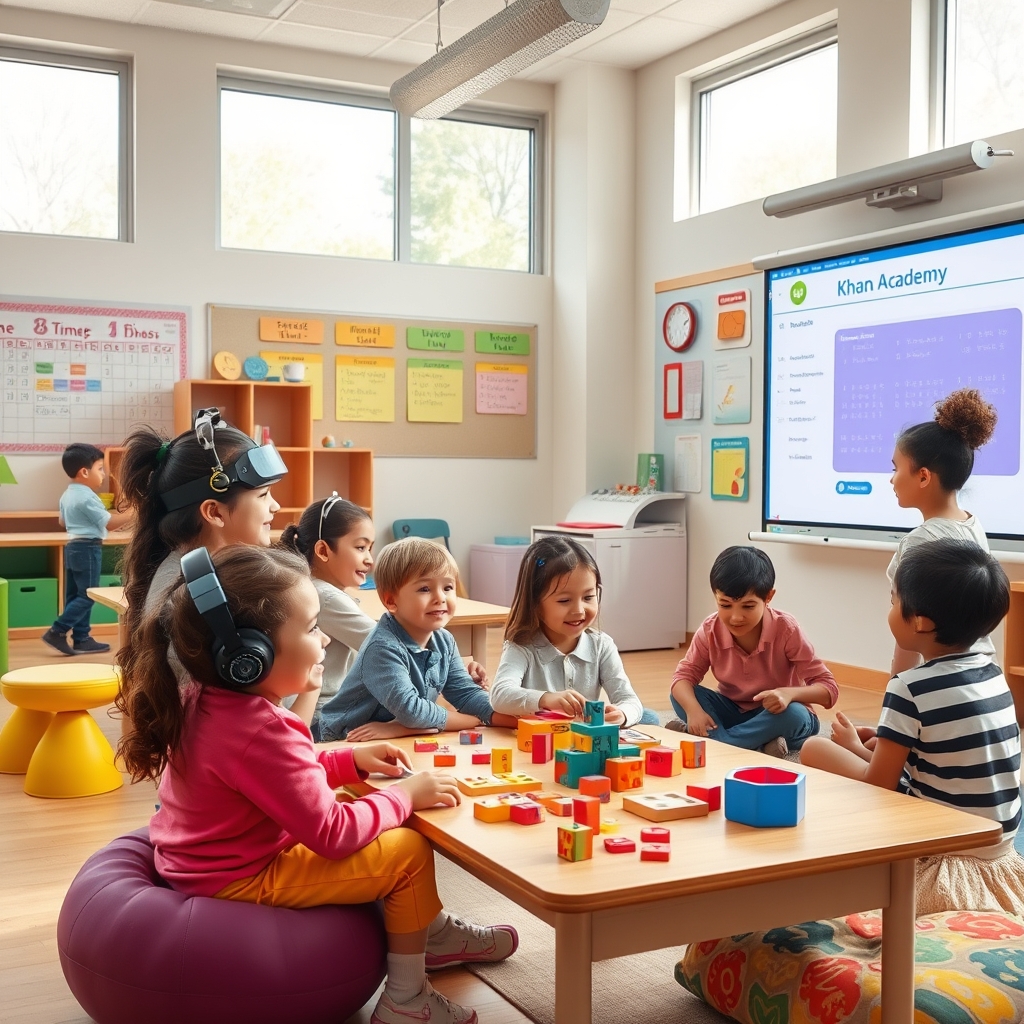
Flexible seating options, such as wobble stools, standing desks, or floor cushions, accommodate students with sensory needs, ADHD, or physical disabilities. These arrangements allow students to choose seating that helps them focus and feel comfortable, reducing distractions and promoting engagement. A classroom that prioritizes flexibility sends a message that every student’s needs are important.
8. Visual Schedules and Timers
Students with autism, anxiety, or executive functioning challenges often benefit from visual supports. Visual schedules outline the day’s activities, helping students anticipate transitions and reduce anxiety. Tools like Time Timer provide a visual representation of time, making it easier for students to manage their tasks independently. These simple yet effective tools create predictability and structure, which are essential for many learners.
9. Multisensory Learning Materials
Multisensory learning engages multiple senses—sight, sound, touch, and movement—to reinforce concepts. Tools like sand trays for writing, tactile letter tiles, or interactive whiteboards help students with diverse learning styles grasp abstract ideas. For example, a student struggling with math might use manipulatives like base-ten blocks to visualize addition and subtraction, making the concept more concrete.
10. Peer Support Systems
Peer support systems, such as buddy systems or collaborative learning groups, encourage students to work together and learn from one another. These systems foster a sense of community and reduce the stigma often associated with needing extra help. When students support each other, the classroom becomes a space where differences are celebrated, and everyone has the opportunity to contribute.
Creating an inclusive classroom is an ongoing journey, not a destination. It requires a commitment to understanding each student’s unique needs and a willingness to adapt and evolve. The tools and strategies outlined here are just the beginning—what matters most is the mindset behind them. When educators prioritize inclusivity, they don’t just teach subjects; they empower students to believe in their own potential. The right tools can light the way, but it’s the dedication to every learner that makes the difference.