Navigating the Future of Education: Innovations for a Dynamic Learning Landscape
The landscape of education is undergoing a profound transformation, moving beyond traditional one-size-fits-all approaches to embrace dynamic, learner-centric models. This shift is powered by groundbreaking innovations that promise to make learning more engaging, accessible, and relevant for everyone. At the heart of this evolution are Personalized Learning Pathways, tailoring educational journeys to individual needs, paces, and interests, ensuring every student can thrive.
The Power of Personalized Learning and Generative AI
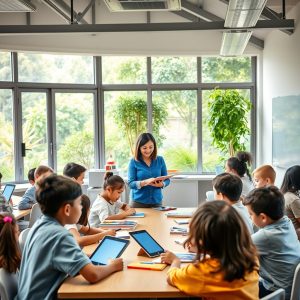
No longer confined to rigid curricula, modern education is about crafting unique experiences. Personalized Learning Pathways leverage sophisticated algorithms to adapt content, assignments, and assessments to each learner’s strengths and areas for growth. This ensures optimal engagement and understanding.
Further enhancing this personalization is the advent of Generative AI Integration. AI tools can create custom learning materials, provide instant feedback, and even simulate complex scenarios, acting as intelligent tutors. This integration dramatically boosts the effectiveness of Adaptive Testing Engines, which continuously adjust difficulty based on performance, pinpointing exact areas needing reinforcement.
Cultivating Engagement: Gamified Learning and Immersive VR
Keeping learners motivated is paramount, and innovative approaches are making education more captivating than ever. Gamified Learning Environments transform lessons into interactive challenges, complete with points, badges, and leaderboards, fostering healthy competition and a sense of achievement. This approach makes complex topics more approachable and fun.
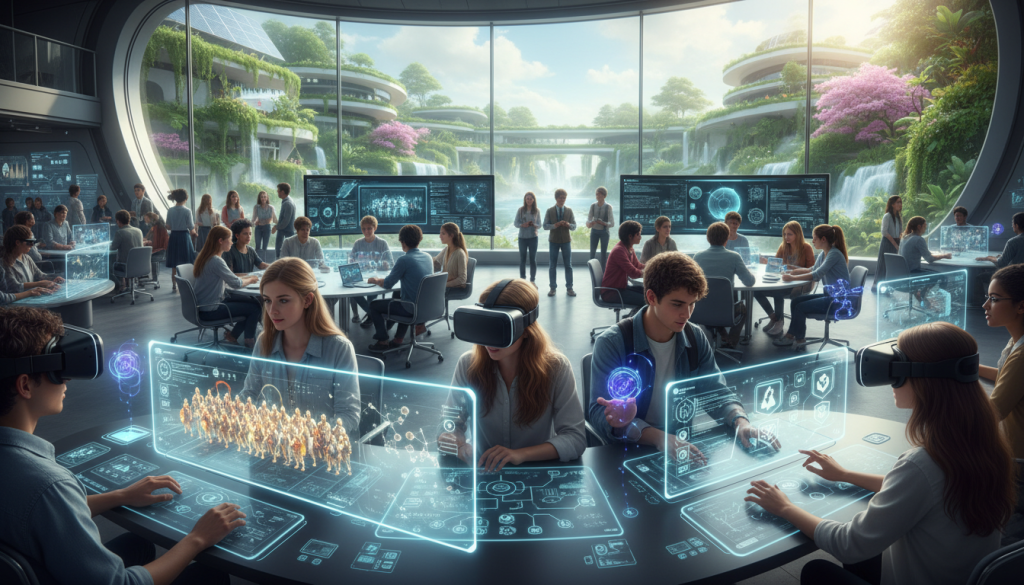
Moreover, Immersive Virtual Reality (VR) is breaking down the walls of the classroom, transporting students to historical events, microscopic worlds, or even the surface of Mars. These VR experiences facilitate deep understanding through direct interaction, often blurring the lines between the physical and digital in what we call Cyber Physical Learning. Imagine dissecting a virtual frog or designing a sustainable city in a simulated environment.
Developing Future-Ready Skills: Micro-Credentials and Skills-Based Hiring
The job market demands a new kind of graduate, one equipped with specific, demonstrable skills. This is where Micro Credentials come into play, offering focused, verifiable certifications for particular competencies. These stackable credentials allow individuals to build specialized skill sets relevant to industry needs, often faster and more affordably than traditional degrees.
The rise of Skills Based Hiring further emphasizes this shift, with employers increasingly valuing proven abilities over generic qualifications. Educational institutions are responding by designing robust Workforce Readiness Pathways, ensuring learners gain practical experience and the precise skills needed to succeed in tomorrow’s economy.
Fostering Inclusivity and Well-being: Neurodiversity and Social Emotional Learning
A truly effective educational system must cater to the diversity of human minds and foster holistic development. Neurodiversity Inclusive Design ensures learning environments, tools, and methods are accessible and beneficial for individuals with varying neurological profiles. This creates a more equitable and supportive space for everyone.
Equally vital is the emphasis on Social Emotional Learning (SEL), which equips students with critical life skills like self-awareness, self-management, social awareness, relationship skills, and responsible decision-making. This Human Centered Pedagogy acknowledges that academic success is deeply intertwined with emotional intelligence and well-being.
Building Adaptive and Sustainable Educational Ecosystems
Education is no longer a finite process but a continuous journey. The concept of Lifelong Learning Ecosystems supports ongoing skill development and knowledge acquisition throughout one’s career and life. This includes accessible resources, flexible programs, and opportunities for continuous upskilling.
Furthermore, institutions are embracing Sustainable Campus Initiatives, integrating environmental responsibility into their operations and curricula. This commitment to sustainability, alongside robust Digital Literacy Curricula, prepares learners not just for jobs, but for responsible global citizenship in an increasingly digital and interconnected world. The trend towards Mobile First Education ensures learning is always within reach, anytime, anywhere.
Empowering Learners Through Data and Collaboration
Leveraging insights from learning data is crucial for continuous improvement. Data Driven Intervention allows educators to identify learning gaps early and provide targeted support, making educational pathways truly adaptive. This proactive approach prevents students from falling behind and ensures timely assistance.
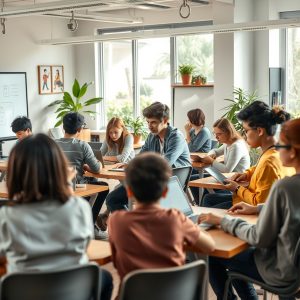
Finally, fostering a collaborative spirit is key. Peer To Peer Collaboration activities build essential teamwork and communication skills, allowing students to learn from each other’s perspectives and experiences. Combined with authentic Project Based Assessment, which evaluates practical application of knowledge through real-world challenges, these methods create a rich, interactive, and deeply effective learning experience. Embracing these innovations means stepping into an educational future that is inherently more equitable, engaging, and empowering for every learner, preparing them not just for a job, but for a lifetime of growth and contribution.