Empowering Minds: How Student-Centric Education is Redefining Learning for the 21st Century
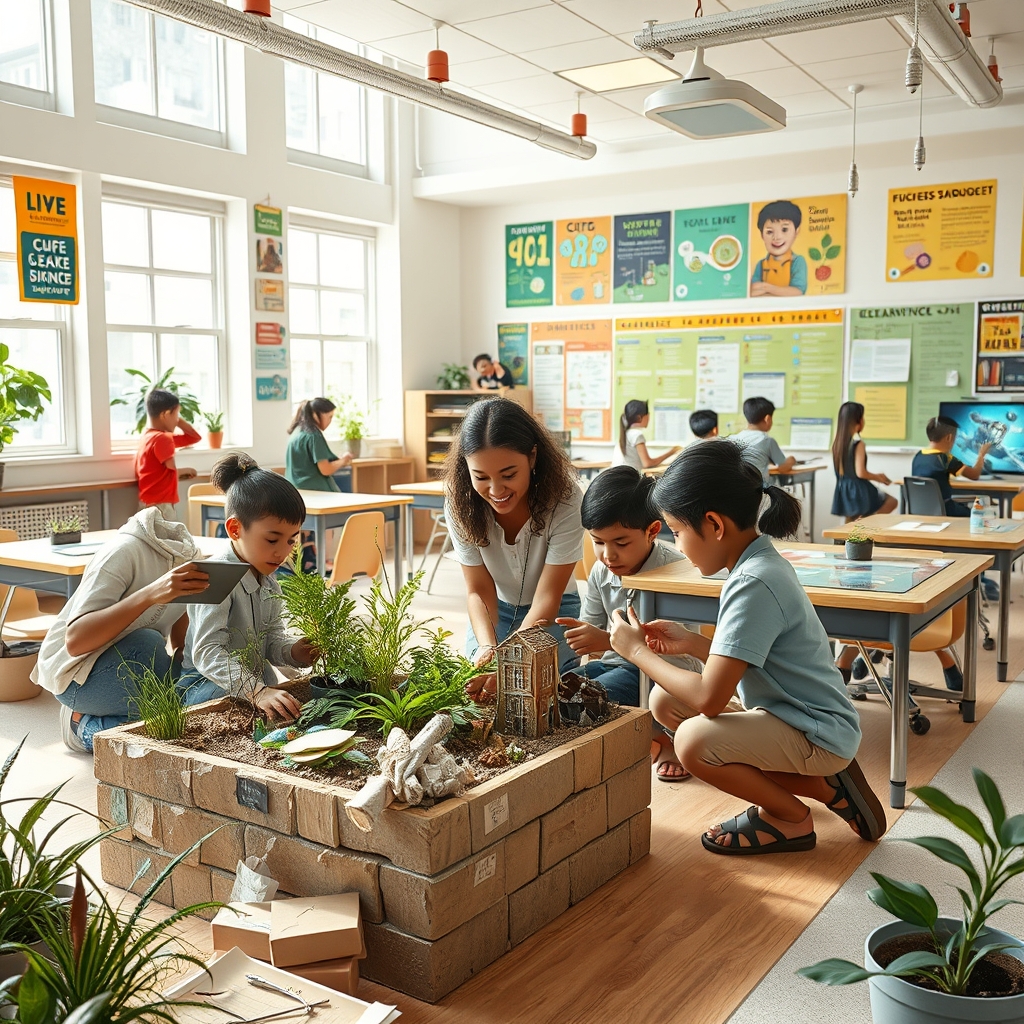
Education is no longer a one-size-fits-all endeavor. As the world evolves, so do the needs of learners, demanding a shift from traditional, rigid classroom structures to dynamic, student-centric education models. These approaches prioritize individual growth, curiosity, and real-world applicability, ensuring that every child thrives in an environment tailored to their unique strengths and aspirations. At the heart of this transformation lies the belief that learning should be as diverse and multifaceted as the students themselves.
The Rise of Personalized Learning Journeys
Gone are the days when students were expected to progress at the same pace, regardless of their abilities or interests. Personalized learning journeys have emerged as a cornerstone of modern education, allowing students to explore subjects at their own rhythm while receiving targeted support where needed. Adaptive technologies, such as AI-driven platforms, play a pivotal role in this shift, offering real-time feedback and adjusting difficulty levels to match each learner’s proficiency. This not only fosters a deeper understanding of concepts but also cultivates a sense of ownership over one’s education.
For instance, schools implementing adaptive education strategies often use data analytics to track student performance, identifying areas of struggle and tailoring interventions accordingly. This proactive approach ensures that no child is left behind, while also challenging advanced learners to push their boundaries. The result? A classroom where every student feels seen, supported, and empowered to reach their full potential.
Experiential School Transitions: Learning Beyond the Classroom
The transition from one educational phase to another—such as moving from elementary to middle school—can be daunting for students. However, experiential school transitions are redefining this process by making it immersive and engaging. Instead of abrupt shifts, schools are adopting gradual, hands-on approaches that ease students into new environments. Field trips, mentorship programs, and collaborative projects with older students help demystify the next stage of their academic journey, reducing anxiety and building confidence.
One innovative example is the use of project-based learning (PBL) during transitions. By working on real-world challenges—such as designing a community garden or creating a business plan—students apply academic concepts in practical settings. This not only reinforces their learning but also equips them with real-world skill acquisition, from problem-solving to teamwork. Such experiences make education feel relevant and exciting, bridging the gap between theory and practice.
Collaborative Learning Environments: Fostering Connection and Creativity
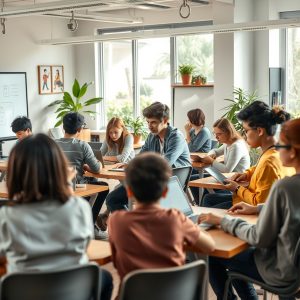
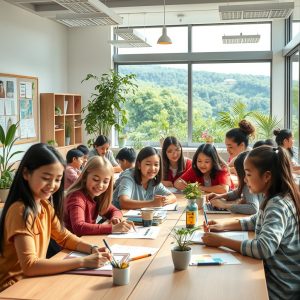
Education is not a solitary pursuit. Collaborative learning environments recognize this truth by encouraging students to work together, share ideas, and learn from one another. These spaces are designed to be flexible and inclusive, breaking down the barriers of traditional classrooms. Think movable furniture, open discussion areas, and technology that facilitates group work—all aimed at creating a sense of community where every voice is valued.
Research shows that collaboration enhances critical thinking and creativity. When students engage in group projects or peer-to-peer teaching, they develop essential social skills while deepening their understanding of the subject matter. Moreover, community-supported learning extends beyond the classroom, involving parents, local organizations, and experts in the educational process. This holistic approach ensures that learning is not confined to textbooks but is enriched by diverse perspectives and experiences.
Holistic Development: Nurturing the Whole Child
Academic achievement is just one piece of the puzzle. Holistic development programs emphasize the importance of nurturing students’ emotional, social, and physical well-being alongside their intellectual growth. Schools are increasingly integrating mindfulness practices, physical education, and arts into their curricula to create a balanced learning experience. After all, a child who feels emotionally secure and physically energized is better equipped to engage with academic challenges.
Programs focused on student well-being often include initiatives like mental health workshops, peer support groups, and outdoor learning activities. These efforts not only address the pressures of modern education but also teach students resilience and self-awareness. By prioritizing well-being, schools are fostering a generation of learners who are not only knowledgeable but also emotionally intelligent and adaptable.
Digital Classroom Integration: The Future of Learning
Technology is no longer an optional add-on in education—it’s a fundamental tool for engagement and accessibility. Digital classroom integration leverages interactive platforms, virtual reality, and gamified learning to make education more dynamic and inclusive. For younger learners, tech-enabled early education introduces foundational skills through playful, interactive apps that adapt to their developmental stages. Meanwhile, older students benefit from tools like virtual labs and online collaboration spaces, which bring complex concepts to life.
However, the key to successful digital integration lies in balance. While technology enhances learning, it should not replace human connection. Schools are adopting responsive curriculum design to ensure that digital tools complement—rather than dominate—the learning experience. This means using technology to facilitate discussion, encourage creativity, and provide personalized feedback, all while maintaining the irreplaceable role of teachers as mentors and guides.
Empathy-Driven Schooling: Building a Kinder Future
At its core, education should be a force for good, shaping not just skilled individuals but compassionate citizens. Empathy-driven schooling places kindness, respect, and understanding at the forefront of the learning experience. This approach goes beyond academic instruction, teaching students to value diversity, practice active listening, and stand up for what is right. Schools that embrace this philosophy often incorporate social-emotional learning (SEL) into their curricula, helping students develop the emotional intelligence needed to navigate an increasingly complex world.
Programs that focus on empathy might include service-learning projects, where students engage with local communities to address real-world issues. These experiences teach responsibility, humility, and the power of collective action. By fostering empathy, schools are not only preparing students for future careers but also instilling in them the values needed to create a more just and inclusive society.
As education continues to evolve, the focus on student-centric approaches is more critical than ever. By embracing personalized learning, collaborative environments, and holistic development, schools are not just preparing students for exams—they’re equipping them for life. The future of education lies in creating spaces where every child feels valued, challenged, and inspired to grow, both as a learner and as a human being. In this journey, the possibilities are as limitless as the minds we seek to empower.