Architecting the Modern Learning Ecosystem: Pathways to Deeper Engagement and Real-World Impact
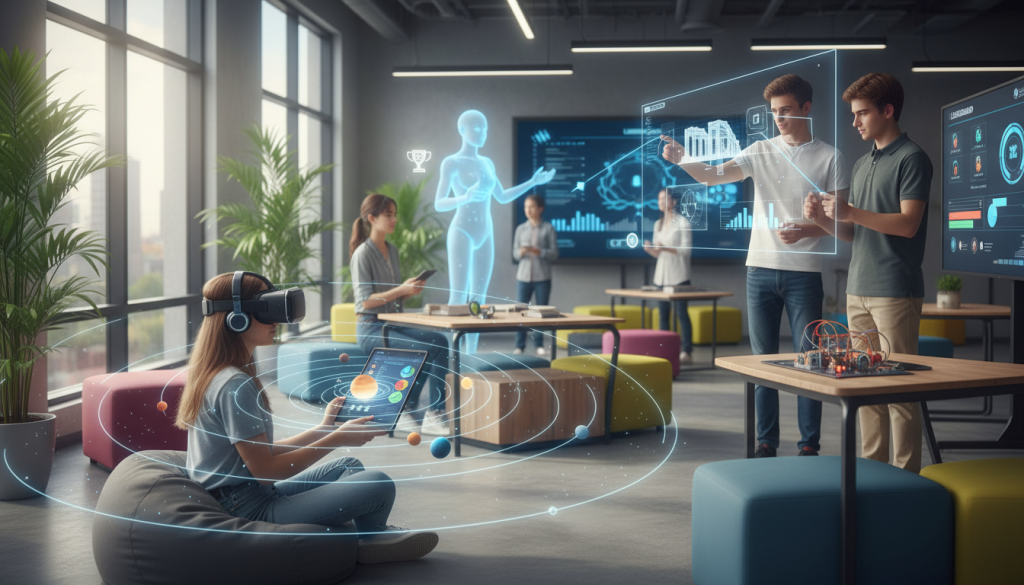
The educational landscape is undergoing a profound transformation, moving beyond traditional one-size-fits-all models to embrace dynamic, learner-centric approaches. At the heart of this evolution lies Personalized Learning, a pedagogical philosophy that tailors educational experiences to individual student needs, interests, and learning styles. This shift is not merely about technology; it’s about creating an ecosystem where every learner can thrive, engage deeply, and develop skills essential for a rapidly changing world. Understanding these shifts is crucial for educators, students, and institutions alike as we collectively build the future of education.
Tailoring the Learning Journey with Advanced Tools
Gone are the days of rigid curricula. Today, Personalized Learning is empowered by sophisticated Adaptive Learning Platforms that continuously assess student progress and adjust content difficulty and pace accordingly. These platforms often leverage Artificial Intelligence In Education to provide instant feedback, recommend resources, and identify areas where a student might need extra support or advanced challenges. The integration of AI ensures that learning paths are not just individualized but also dynamically optimized for maximum effectiveness and Student Engagement.
This data-driven approach allows educators to gain deeper insights into student performance, enabling them to intervene proactively and offer targeted assistance. It transforms the classroom into a responsive environment where every student’s unique journey is acknowledged and supported, fostering a sense of agency and ownership over their education.
Engaging Minds Through Innovative Methods
Beyond personalization, modern education emphasizes active and experiential engagement. Gamification, for instance, integrates game-design elements and game principles into learning contexts, making complex subjects more accessible and enjoyable. By introducing challenges, rewards, and leaderboards, gamified learning environments significantly boost Student Engagement and motivation, turning routine tasks into exciting quests for knowledge.
Similarly, Project Based Learning (PBL) immerses students in real-world problems, encouraging them to develop critical thinking, problem-solving, and collaboration skills. Through hands-on projects, students apply theoretical knowledge to practical scenarios, fostering deeper understanding and retention. Complementing this, STEM Activities provide crucial opportunities for students to explore science, technology, engineering, and mathematics in an interactive and applied manner, preparing them for future innovation.
Furthermore, Immersive Technology, such as Virtual Reality (VR) and Augmented Reality (AR), transports learners to historical events, distant galaxies, or inside the human body, offering unparalleled experiential learning. This level of immersion creates memorable learning moments that traditional methods simply cannot replicate, enhancing comprehension and curiosity.
Flexible Learning Environments for All
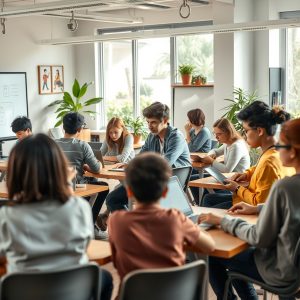
The boundaries of the traditional classroom are expanding, giving way to more flexible and accessible learning models. Hybrid Learning and Blended Learning combine face-to-face instruction with online components, offering students the best of both worlds. This approach allows for greater scheduling flexibility and caters to diverse learning preferences, ensuring continuity and adaptability.
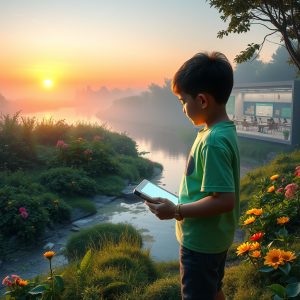
Virtual Classrooms provide rich, interactive online spaces where students can connect with instructors and peers from anywhere in the world. Supplementing these, Mobile Learning leverages smartphones and tablets to deliver educational content on the go, making learning accessible anytime, anywhere. For those seeking readily available knowledge, Open Educational Resources (OER) offer free and openly licensed educational materials, democratizing access to high-quality learning content. Additionally, Educational Podcasts serve as excellent supplementary resources, delivering engaging lessons and expert insights in an auditory format.
Cultivating Future-Ready Skills and Competencies
In an era of rapid change, education must prioritize skills that transcend specific job titles. Social Emotional Learning (SEL) is gaining prominence, focusing on developing self-awareness, self-management, social awareness, relationship skills, and responsible decision-making – all vital for personal well-being and professional success. Coupled with this, robust Digital Literacy is non-negotiable, equipping learners with the ability to navigate, evaluate, and create content in digital environments safely and effectively.
The focus on demonstrable abilities is also reshaping how talent is identified. Skills Based Hiring prioritizes what candidates can do over traditional credentials, aligning perfectly with Competency Based Education, which measures learning based on mastery of specific skills rather than time spent in a classroom. To bridge skill gaps and foster continuous growth, Microcredentials offer bite-sized, verifiable qualifications for specific skills, supporting Lifelong Learning journeys and enhancing Career Readiness.
Emerging insights from Neuroeducation help us understand how the brain learns best, informing pedagogical strategies that optimize memory, attention, and cognitive development. This scientific approach ensures that learning environments are designed to be as effective as possible, maximizing student potential.
The Power of Collaboration and Community
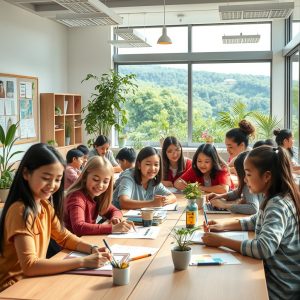
Learning is inherently a social process, and modern education emphasizes the strength of collective intelligence. Collaborative Learning activities encourage students to work together on tasks, fostering teamwork, communication, and mutual understanding. This approach not only deepens learning but also builds essential interpersonal skills crucial for future workplaces.
Peer To Peer Tutoring further empowers students to learn from and teach one another, reinforcing their own understanding while developing leadership and mentoring abilities. This creates a supportive learning community where knowledge is shared freely, and students become active participants in each other’s educational growth. The impact of Microlearning in this context is also significant, allowing for quick, focused bursts of information exchange that can be easily integrated into collaborative projects or peer-to-peer sessions.
The journey through modern education is one of constant innovation, designed to make learning more accessible, engaging, and relevant. By embracing strategies like Personalized Learning, integrating advanced technologies, and fostering a culture of continuous skill development, we can equip individuals not just with knowledge, but with the adaptability and resilience needed to thrive. Educators, learners, and institutions must continue to explore these evolving pathways, building a dynamic learning ecosystem that prepares everyone for a future filled with opportunity and growth, ensuring every student can forge their own successful educational and career path.