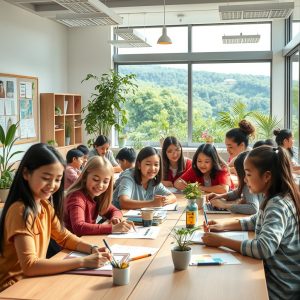
Building Bridges: How Inclusive Education Transforms Classrooms and Minds
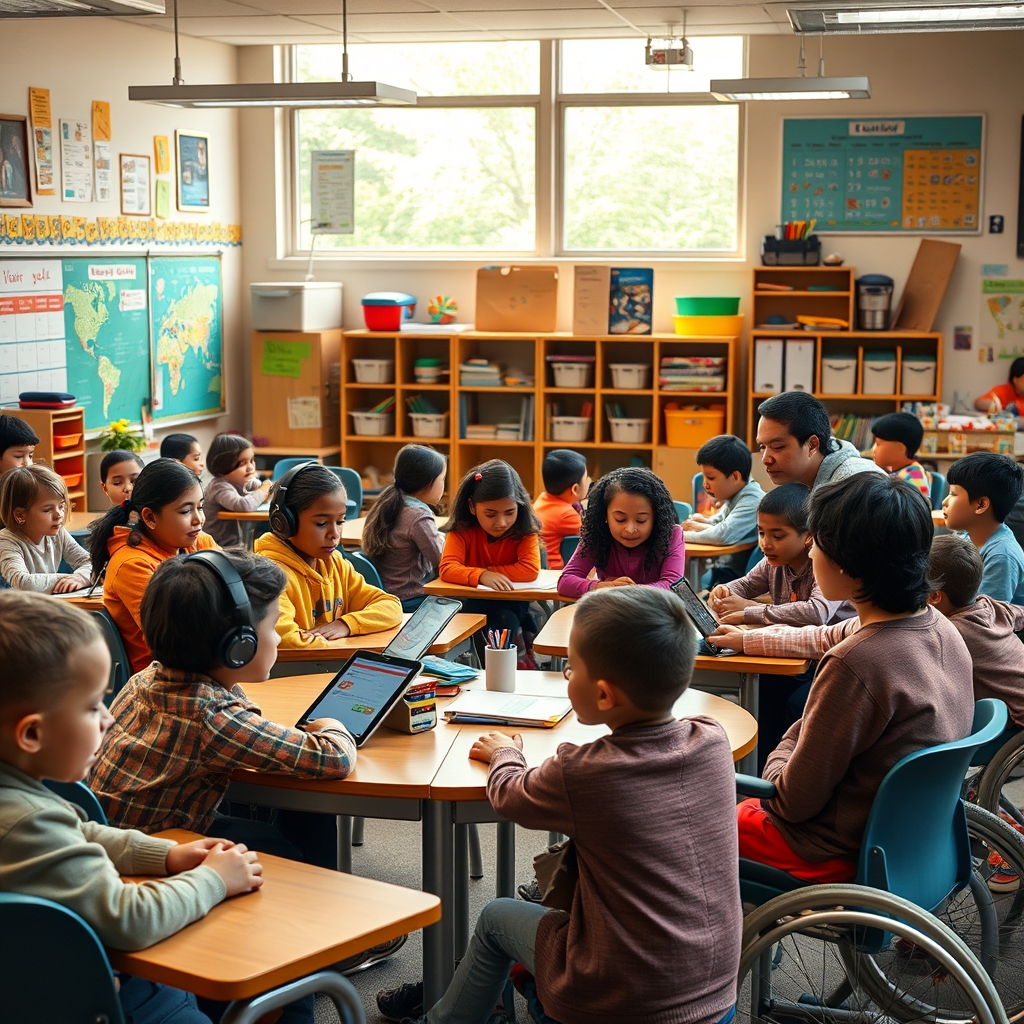
In a world that celebrates diversity, education must evolve to reflect the rich tapestry of human experiences. Inclusive education is not just a pedagogical approach; it is a philosophy that recognizes the unique strengths and challenges of every learner. By embracing differences rather than marginalizing them, schools can become spaces where all students—regardless of ability, background, or learning style—thrive. The shift toward inclusion is more than a trend; it is a necessary step toward equity, empathy, and a more just society.
The Heart of Inclusive Education
At its core, inclusive education is about dismantling barriers that prevent students from accessing quality learning experiences. This goes beyond physical accessibility; it encompasses emotional, social, and cognitive support. For students with special education needs (SEN), this might mean tailored resources like assistive technologies, modified curricula, or one-on-one support. For neurodivergent learners, it could involve creating environments that accommodate sensory sensitivities or alternative communication methods. The goal is not to erase differences but to ensure that every student has the tools and opportunities to succeed.
Research in educational psychology consistently shows that inclusive classrooms benefit all students, not just those with disabilities. When children learn alongside peers with diverse abilities, they develop greater empathy, problem-solving skills, and adaptability. These are not just academic advantages; they are life skills that prepare students for a world where collaboration and understanding are paramount. Inclusive education fosters a culture of respect, where differences are seen as assets rather than obstacles.
Social Emotional Learning: The Foundation of Inclusion
Inclusion cannot thrive without a strong foundation in social emotional learning (SEL). SEL programs teach students to recognize and manage their emotions, build healthy relationships, and make responsible decisions. These skills are critical for creating classrooms where all students feel safe, valued, and heard. For example, a student with anxiety may struggle to participate in group activities, but with SEL strategies like mindfulness or conflict resolution techniques, they can gradually build confidence and engagement.
Character education values also play a pivotal role in inclusive classrooms. When students learn about fairness, kindness, and perseverance, they are more likely to advocate for their peers and challenge biases. Teachers can integrate these values into daily lessons, whether through literature that highlights diverse perspectives or discussions about real-world issues like bullying or discrimination. By weaving SEL and character education into the fabric of the curriculum, schools send a powerful message: that emotional wellbeing and academic success are intertwined.
Differentiated Instruction: Meeting Students Where They Are
One of the biggest challenges in inclusive education is addressing the diverse learning needs of students within a single classroom. Differentiated instruction offers a solution by tailoring teaching methods to accommodate various learning styles, abilities, and interests. This might involve using visual aids for visual learners, hands-on activities for kinesthetic learners, or audiobooks for students with reading difficulties. The key is flexibility—teachers must be willing to adapt their approaches to ensure no student is left behind.
Individualized Education Plans (IEPs) are another critical tool in this process. An IEP is a customized roadmap that outlines a student’s specific learning goals, the support they need, and how progress will be measured. For students with learning disabilities, IEPs can provide accommodations like extended test time, preferential seating, or the use of a scribe. However, IEPs are not just for students with diagnosed disabilities; they can also benefit students who are gifted, English language learners, or those facing temporary challenges like trauma or illness. The IEP process ensures that every student’s unique needs are met in a structured and collaborative way.
Classroom Inclusion Strategies That Work
Creating an inclusive classroom requires intentional design and strategies. One effective approach is universal design for learning (UDL), which provides multiple means of engagement, representation, and expression. For example, a lesson on ancient history might include a lecture (auditory), a slideshow (visual), and a hands-on artifact activity (kinesthetic). This ensures that students with different learning preferences can access the material in a way that works for them.
Peer support systems are another powerful tool. Programs like peer tutoring or cooperative learning groups encourage students to learn from and with each other. For instance, a student with dyslexia might pair with a peer to read aloud, while a student with ADHD could benefit from a buddy system to stay on task. These strategies not only support academic growth but also build social connections and reduce stigma.
Behavioral interventions also play a role in fostering inclusion. Positive behavior support (PBS) focuses on reinforcing desirable behaviors rather than punishing undesirable ones. For example, a student who struggles with impulsivity might receive praise for raising their hand instead of being scolded for interrupting. This approach creates a more positive and supportive classroom environment, where students feel motivated to succeed.
The Role of Teachers in Championing Inclusion
Teachers are the linchpins of inclusive education. Their attitudes, skills, and commitment can make or break a student’s experience. Professional development is essential to equip educators with the knowledge and tools they need to support diverse learners. Workshops on topics like neurodiversity awareness, trauma-informed teaching, or adaptive learning methods can help teachers feel more confident and prepared. Additionally, ongoing collaboration with special education professionals, psychologists, and families ensures that strategies are evidence-based and holistic.
However, teacher training alone is not enough. Schools must also foster a culture of inclusion among staff, students, and families. This might involve hosting workshops for parents on how to advocate for their children, creating student-led inclusion committees, or celebrating diversity through school-wide events. When the entire school community is invested in inclusion, it becomes a shared responsibility rather than a burden placed solely on teachers.
Early Childhood Education: Planting the Seeds of Inclusion
The foundations of inclusion are laid long before students enter formal schooling. Early childhood education (ECE) plays a crucial role in shaping children’s attitudes toward diversity. Programs that expose young learners to different cultures, abilities, and family structures help normalize differences from an early age. For example, a preschool classroom might include books featuring characters with disabilities, dolls of various ethnicities, or sensory-friendly play areas. These small but intentional choices can have a lasting impact on how children perceive and interact with the world.
Moral education is another key component of ECE. Teaching young children about fairness, sharing, and kindness sets the stage for more complex discussions about equity and justice as they grow older. Simple activities like role-playing scenarios or discussing emotions can help children develop empathy and problem-solving skills. When inclusion is introduced early, it becomes a natural part of how children see themselves and others.
Inclusive education is not a destination but a journey—one that requires patience, creativity, and a willingness to challenge the status quo. It asks us to rethink what success looks like, to value progress over perfection, and to recognize that every student has something unique to offer. When classrooms embrace inclusion, they become microcosms of the world we aspire to create: one where diversity is celebrated, differences are respected, and every individual has the opportunity to shine. The bridges we build today will shape the minds and hearts of tomorrow, creating a future where no one is left on the margins.