
Building Truly Inclusive Classrooms: A Holistic Approach to Empower Every Learner
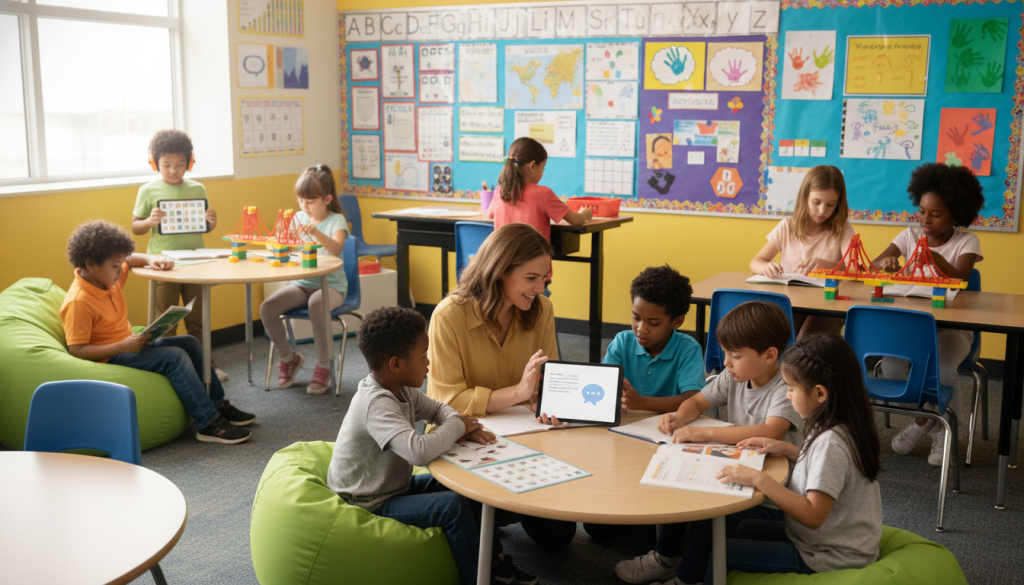
The vision of a truly inclusive classroom extends far beyond simply placing students with diverse needs in the same physical space. It’s a profound pedagogical shift, a philosophy that embraces the rich tapestry of human variation as an asset, not a challenge. It means moving away from a ‘one-size-fits-all’ model and instead proactively designing learning environments where every student feels a profound sense of belonging, is valued for their unique strengths, and has equitable access to learning and growth. This isn’t just about compliance; it’s about cultivating a vibrant educational ecosystem where every mind can flourish.
The Foundation: Universal Design for Learning (UDL)
At the heart of building truly inclusive classrooms lies the framework of Universal Design for Learning (UDL). UDL isn’t an afterthought or a series of accommodations; it’s a proactive approach to curriculum and instructional design that anticipates the variability of learners from the outset. Instead of retrofitting lessons for individual students, UDL encourages educators to provide multiple means of engagement, multiple means of representation, and multiple means of action and expression. This ensures that content is accessible, engaging, and digestible for everyone, offering diverse pathways for students to learn and demonstrate their understanding.
Imagine a lesson where students can choose to read a text, listen to an audiobook, watch a video, or explore an interactive simulation to grasp new concepts (multiple means of representation). For demonstrating understanding, they might have options to write an essay, create a presentation, build a model, or record a podcast (multiple means of action and expression). Furthermore, offering choices in how students engage with the material – perhaps working individually, in pairs, or small groups, or selecting topics based on personal interest – caters to varied motivational needs (multiple means of engagement). UDL ensures that the learning environment itself is flexible and responsive, benefiting not just students with identified learning differences but enriching the experience for all learners.
Beyond UDL: Differentiated Instruction and Neurodiversity Affirming Practice
Differentiated Instruction: Tailoring the Path
While UDL sets the broad framework, Differentiated Instruction (DI) provides the responsive, in-the-moment adjustments necessary to meet individual student needs. DI involves modifying content (what students learn), process (how they learn), product (how they demonstrate learning), and the learning environment, based on a student’s readiness, interests, and learning profile. It’s about fine-tuning the UDL framework to ensure that each student is challenged appropriately and supported effectively. This might involve tiered assignments, flexible grouping strategies, or providing varied resources and scaffolding based on formative assessment data.
Neurodiversity Affirming Practice: Celebrating Unique Minds
Complementing both UDL and DI is a Neurodiversity Affirming Practice. This approach recognizes neurodiversity—the natural variation in human brains regarding sociability, learning, attention, mood, and other mental functions—as a valuable aspect of human diversity, rather than a deficit to be ‘fixed.’ In practice, this means shifting from a deficit-based model to one that celebrates strengths, respects unique ways of processing information, and provides accommodations that genuinely support a student’s authentic self. For example, understanding and respecting sensory sensitivities, offering flexible seating options, providing clear visual schedules, and valuing diverse communication styles, including those supported by Augmentative Communication devices, are all hallmarks of a neurodiversity-affirming classroom. It also involves providing Executive Functioning Coaching to help students develop skills in planning, organization, and self-regulation, always with an emphasis on individual growth and self-acceptance.
Key Pillars of Support for a Thriving Inclusive Environment
Leveraging Assistive Technology and Augmentative Communication
Assistive Technology (AT) plays a pivotal role in bridging gaps and empowering students. AT isn’t limited to high-tech gadgets; it encompasses any device, software, or equipment that helps an individual with a disability to perform tasks that might otherwise be difficult or impossible. This could range from text-to-speech software and speech-to-text tools to graphic organizers, digital magnifiers, or even specialized pens. For students with complex communication needs, Augmentative Communication (AAC) systems—whether low-tech picture boards or sophisticated speech-generating devices—are essential for self-expression, social interaction, and academic participation, fostering independence and a sense of agency.
Nurturing Social Emotional Learning (SEL) and Self-Advocacy
An inclusive classroom is also one where Social Emotional Learning (SEL) is explicitly taught and integrated. Developing self-awareness, self-management, social awareness, relationship skills, and responsible decision-making are crucial for all students to navigate their world effectively. Furthermore, fostering Self-Advocacy Skills empowers students to understand their own learning profiles, identify their needs, and communicate them effectively to peers and educators. This cultivates a sense of ownership over their education and prepares them for future success, reinforcing their role as active participants in their learning journey.
The Power of Collaborative Teaching
Finally, Collaborative Teaching models, such as co-teaching, where general education and special education teachers work together, significantly enhance the inclusive environment. This partnership brings together diverse pedagogical expertise, allowing for more nuanced instructional strategies, increased individualized attention, and a richer learning experience for all students. It ensures that Differentiated Instruction and UDL principles are consistently applied, and that students receive the benefit of multiple perspectives and specialized support within the general education setting.
Ultimately, building truly inclusive classrooms is an ongoing journey, a testament to our collective commitment to equity, empathy, and belonging. It means creating a space where every student, regardless of their background, learning style, or neurotype, feels not just accommodated, but genuinely valued, seen, and empowered to reach their full potential, not just academically but as whole, thriving individuals. It’s about recognizing the inherent worth and unique contributions each learner brings, enriching the educational experience for everyone involved.