The Soul’s Crucible: How the Fire of Experiential Learning Forges the Architecture of a Child’s Future
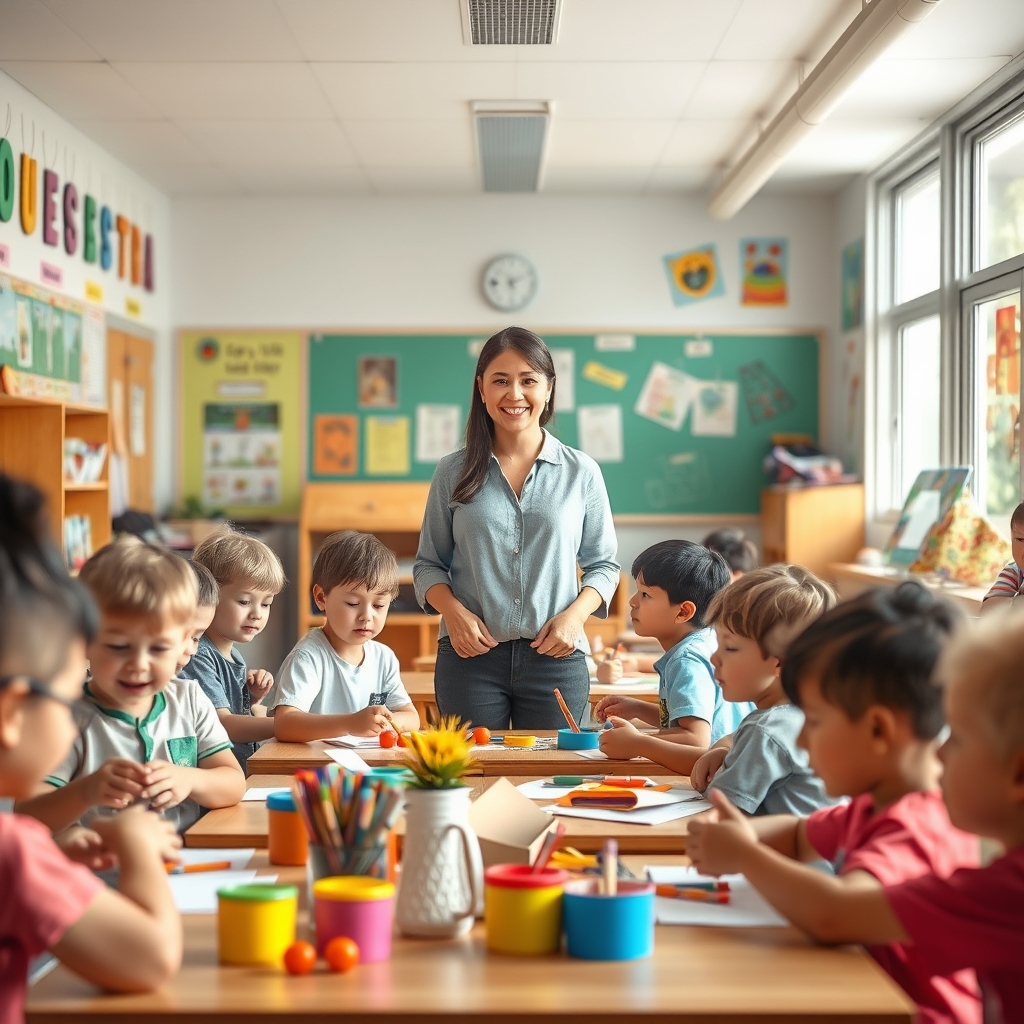
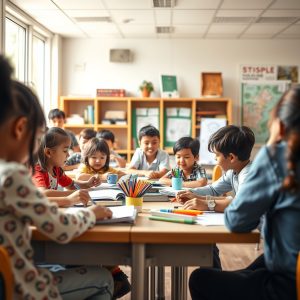
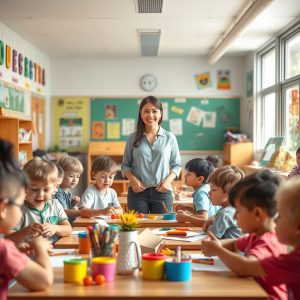
In the quiet hum of a classroom, where the scent of old books and the soft chatter of children fill the air, there’s a quiet revolution taking place. It’s not the kind of revolution that makes headlines, but it’s no less powerful. It’s the revolution of experiential learning, where the walls of traditional education are being torn down, and the children are being given the freedom to explore, to discover, and to grow.
The Birth of a New Education
Experiential learning is not a new concept. It’s been around for centuries, in the form of apprenticeships, internships, and hands-on experiences. But in today’s world, it’s more than just a way to learn a trade. It’s a way of life. It’s a way to foster curiosity, to encourage creativity, and to build confidence.
The Power of Experience
At the heart of experiential learning is the belief that learning is not a passive process. It’s an active one. It’s a journey, not a destination. It’s about doing, not just thinking. It’s about experiencing, not just knowing.
The Role of the Teacher
In an experiential learning environment, the teacher is not the sole source of knowledge. They are a guide, a facilitator, a coach. They are there to inspire, to challenge, and to support. They are there to help the children see the world in a new way, to help them discover their own potential.
The Importance of Community
Experiential learning is not just about the children. It’s about the community. It’s about the parents, the teachers, the community members, and the world around them. It’s about learning from each other, about sharing experiences, and about building a sense of community.
The Future of Education
As we look to the future, it’s clear that experiential learning is not just a trend. It’s a necessity. It’s a way to prepare the children for the world they will inherit. It’s a way to help them build the skills they will need to succeed, not just in school, but in life.
The Power of Choice
In an experiential learning environment, the children are given the freedom to choose. They are given the freedom to explore, to discover, and to grow. They are given the freedom to learn in a way that is meaningful to them, in a way that is relevant to their lives.
The Role of Technology
Technology is not the enemy of experiential learning. It’s a tool, a resource, a way to enhance the learning experience. It’s a way to bring the world to the classroom, to bring the classroom to the world. It’s a way to make learning more engaging, more interactive, and more relevant.
The Importance of Reflection
Reflection is a key part of experiential learning. It’s about taking the time to think about what has been learned, to think about what has been experienced. It’s about making connections, about building understanding, and about growing as a person.
In the quiet hum of a classroom, where the scent of old books and the soft chatter of children fill the air, there’s a quiet revolution taking place. It’s the revolution of experiential learning, where the walls of traditional education are being torn down, and the children are being given the freedom to explore, to discover, and to grow. It’s a revolution that is forging the architecture of a child’s future, one experience at a time.