Building Bridges: The Power of Inclusive Education in Nurturing Every Learner’s Potential
In today’s diverse classrooms, the call for inclusive education has never been louder—or more necessary. Gone are the days when education was a one-size-fits-all model, where students who didn’t fit the mold were sidelined or overlooked. Instead, inclusive education champions the idea that every child, regardless of ability, background, or learning style, deserves a seat at the table and the tools to thrive. It’s not just about opening doors; it’s about ensuring that once inside, every student feels valued, understood, and empowered to reach their full potential.
The Heart of Inclusive Education
At its core, inclusive education is about equity—not equality. While equality means giving every student the same resources, equity recognizes that some students need additional support to level the playing field. This could mean differentiated instruction tailored to individual learning needs, adaptive technologies that make content accessible, or behavioral interventions that help students regulate their emotions and focus. Inclusive education doesn’t just benefit students with special education needs; it enriches the entire classroom by fostering empathy, collaboration, and a deeper understanding of neurodiversity.
Research in educational psychology consistently shows that when students learn in inclusive environments, they develop stronger social-emotional skills. They learn to appreciate differences, communicate effectively, and work together toward common goals. For students with learning disabilities or mental health challenges, inclusion can be transformative. It reduces stigma, builds self-esteem, and provides the scaffolding they need to succeed academically and socially. But the benefits extend to their peers as well. When children grow up in classrooms that celebrate diversity, they carry those values into adulthood, shaping a more compassionate and just society.
Breaking Down Barriers: Strategies for Classroom Inclusion
Creating an inclusive classroom doesn’t happen by accident—it requires intentional design, ongoing professional development for teachers, and a commitment to continuous improvement. One of the most effective tools in an educator’s arsenal is the Individualized Education Plan (IEP). An IEP is a customized roadmap that outlines a student’s specific needs, goals, and the accommodations required to help them succeed. It’s a collaborative effort involving teachers, parents, specialists, and often the students themselves, ensuring that everyone is aligned and working toward the same objectives.
Differentiated instruction is another cornerstone of inclusion. This approach recognizes that students learn in different ways and at different paces. For example, a lesson on fractions might be taught using visual aids for some students, hands-on activities for others, and real-world applications for those who need context to grasp abstract concepts. By varying teaching methods, teachers can engage all learners and prevent anyone from falling through the cracks. Similarly, adaptive learning methods, such as personalized digital platforms, can provide students with immediate feedback and adjust the difficulty of tasks based on their performance, keeping them challenged but not overwhelmed.
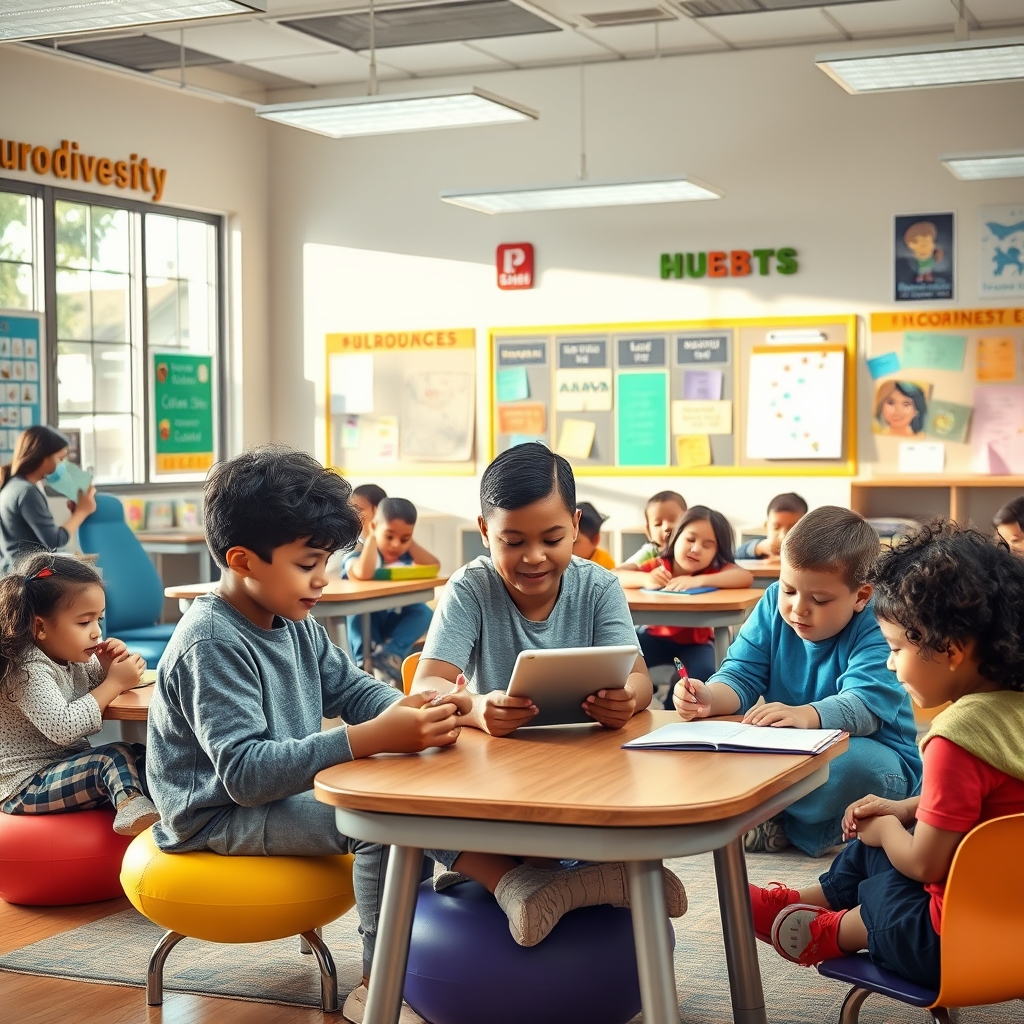
Classroom design also plays a critical role in inclusion. Flexible seating arrangements, quiet zones for students who need a break, and sensory-friendly materials can make a world of difference for learners with sensory processing disorders or anxiety. Simple adjustments, like using clear and concise language, providing written instructions alongside verbal ones, and incorporating movement breaks, can help students with ADHD or autism stay focused and engaged. The goal is to create a space where every student feels safe, respected, and capable of learning.
The Role of Social-Emotional Learning and Character Education
Inclusive education goes beyond academics—it’s also about nurturing the whole child. Social-emotional learning (SEL) and character education are integral components of this approach. SEL equips students with the skills to manage their emotions, set and achieve goals, show empathy for others, and build positive relationships. These skills are particularly important for students with mental health challenges or behavioral issues, as they provide a framework for understanding and regulating their emotions in healthy ways.
Character education, on the other hand, focuses on instilling values like respect, responsibility, and integrity. In an inclusive classroom, these values are not just taught—they’re modeled and practiced daily. For instance, a teacher might use restorative justice practices to resolve conflicts, giving students the opportunity to reflect on their actions, understand the impact on others, and work toward repair. This approach fosters a sense of community and belonging, which is especially important for students who may feel marginalized or misunderstood.
Moral education also plays a role in shaping inclusive classrooms. By discussing ethical dilemmas, exploring diverse perspectives, and encouraging critical thinking, teachers can help students develop a strong moral compass. This is particularly valuable in early childhood education, where foundational values are formed. When children learn to appreciate differences and stand up for what’s right from a young age, they grow into adults who advocate for equity and inclusion in all areas of life.
Overcoming Challenges and Moving Forward
Despite its many benefits, inclusive education is not without its challenges. Teachers may feel overwhelmed by the demands of meeting diverse needs, especially in under-resourced schools. There’s also the risk of tokenism, where inclusion becomes a checkbox rather than a meaningful commitment. To avoid this, schools must invest in teacher professional development, providing educators with the training and support they need to implement inclusive strategies effectively. This could include workshops on neurodiversity awareness, trauma-informed teaching, or culturally responsive pedagogy.
Parental involvement is another critical factor. Parents of children with special education needs often face their own set of challenges, from navigating complex systems to advocating for their child’s rights. Schools can support these families by fostering open communication, providing resources, and creating opportunities for collaboration. When parents and teachers work together, they can create a powerful support network that benefits the student and the entire school community.
Technology can also be a game-changer in inclusive education. From text-to-speech software for students with dyslexia to communication apps for nonverbal learners, adaptive technologies are breaking down barriers and making learning more accessible. However, it’s important to remember that technology is a tool, not a solution. It should complement, not replace, human connection and high-quality teaching.
As we look to the future, the principles of inclusive education remind us that every child has something unique to offer. Whether it’s a student with a learning disability who sees the world in a way others don’t, a child with autism who brings a fresh perspective to problem-solving, or a student with anxiety who teaches others the value of patience and kindness, diversity in the classroom is a strength, not a limitation. By embracing inclusive practices, we’re not just teaching students—we’re preparing them to build a world where everyone belongs. And in that world, the possibilities are endless.