Transforming Education: Innovative Strategies for Engaging and Empowering Learners
The landscape of education is undergoing a profound transformation, moving away from one-size-fits-all models towards dynamic, learner-centric approaches. At the heart of this evolution lies Personalized Learning, a powerful paradigm shift that tailors educational experiences to individual student needs, paces, and preferences. This revolutionary approach, powered by advancements in technology and pedagogy, promises to unlock unprecedented levels of student engagement and academic success. Understanding and implementing these innovative strategies is crucial for educators, institutions, and learners alike as we navigate the complexities of the 21st century.
The Power of Personalized Learning and Adaptive Platforms
Moving beyond traditional instruction, personalized learning leverages sophisticated tools to create bespoke educational journeys. This is where Artificial Intelligence In Education shines, analyzing student data to identify strengths, weaknesses, and learning styles. AI-powered systems can then recommend specific resources, adjust the difficulty of tasks, and provide targeted feedback, making learning more efficient and effective.
Key to this personalization are Adaptive Learning Platforms. These intelligent systems dynamically respond to a student’s performance, offering content and exercises that are neither too easy nor too challenging. The result is a highly individualized path that keeps students motivated and deeply involved, significantly boosting overall Student Engagement and ensuring mastery before moving on.
Engaging Learners Through Innovative Pedagogies
Microlearning and Gamification for Enhanced Retention
To combat shrinking attention spans and information overload, educators are embracing Microlearning. This strategy breaks down complex topics into small, digestible units, making it easier for students to absorb and retain information. These bite-sized modules can be consumed quickly, fitting into busy schedules and preventing cognitive fatigue.
Complementing microlearning is Gamification, which integrates game-like elements into educational settings. Features such as points, badges, leaderboards, and interactive challenges transform learning into an exciting and rewarding experience. This approach not only makes education more enjoyable but also fosters a sense of achievement and competition, further driving student engagement and participation.
Project-Based Learning and Collaborative Environments
True understanding often comes from doing. Project Based Learning empowers students to tackle real-world problems and create tangible outcomes, moving beyond rote memorization. This hands-on approach encourages critical thinking, problem-solving, and creativity, preparing students for practical challenges.
Furthermore, fostering Collaborative Learning environments is essential. Students work together, sharing ideas, debating solutions, and building consensus, mirroring the dynamics of professional workplaces. These experiences are invaluable for developing interpersonal skills and enhancing Career Readiness, as teamwork and communication are highly sought after in today’s job market.
Bridging the Gap with Flexible Learning Models
The demand for flexible education has led to the widespread adoption of Hybrid Learning and Blended Learning models. These approaches combine in-person instruction with online components, offering students the best of both worlds. They provide the structure and social interaction of traditional classrooms alongside the flexibility and accessibility of digital resources.
Virtual Classrooms have also become a cornerstone of modern education, enabling learning to transcend geographical barriers. Coupled with the ubiquity of Mobile Learning, students can access educational content anytime, anywhere, directly from their devices. The availability of Open Educational Resources further democratizes learning, providing free and accessible materials to a global audience, thereby nurturing a culture of Lifelong Learning.
Developing Future-Ready Skills and Competencies
The job market is rapidly evolving, placing a greater emphasis on demonstrable abilities over traditional qualifications. This shift is reflected in the rise of Skills Based Hiring and Competency Based Education, where learning outcomes are measured by mastery of specific skills rather than seat time. Students acquire verifiable skills, making them more attractive to employers.
Crucial skills for the modern workforce include robust Digital Literacy and proficiency in STEM Activities. Equipping students with these capabilities ensures they can navigate a technology-driven world and contribute to innovation. To certify these specific skill sets, Microcredentials are gaining traction, offering precise, verifiable recognition for specialized knowledge, significantly boosting Career Readiness.
The Human Element: Nurturing Holistic Development
Beyond academic prowess, developing well-rounded individuals is paramount. Social Emotional Learning (SEL) programs focus on teaching self-awareness, self-management, social awareness, relationship skills, and responsible decision-making. These competencies are vital for mental well-being, building empathy, and fostering positive interactions, both inside and outside the classroom.
Insights from Neuroeducation, which applies brain science to teaching strategies, help educators design more effective and brain-friendly learning environments. Additionally, initiatives like Peer To Peer Tutoring not only provide academic support but also enhance communication skills and foster a sense of community among students, creating a supportive and engaging learning ecosystem.
Immersive Technologies: A Glimpse into Tomorrow’s Classroom
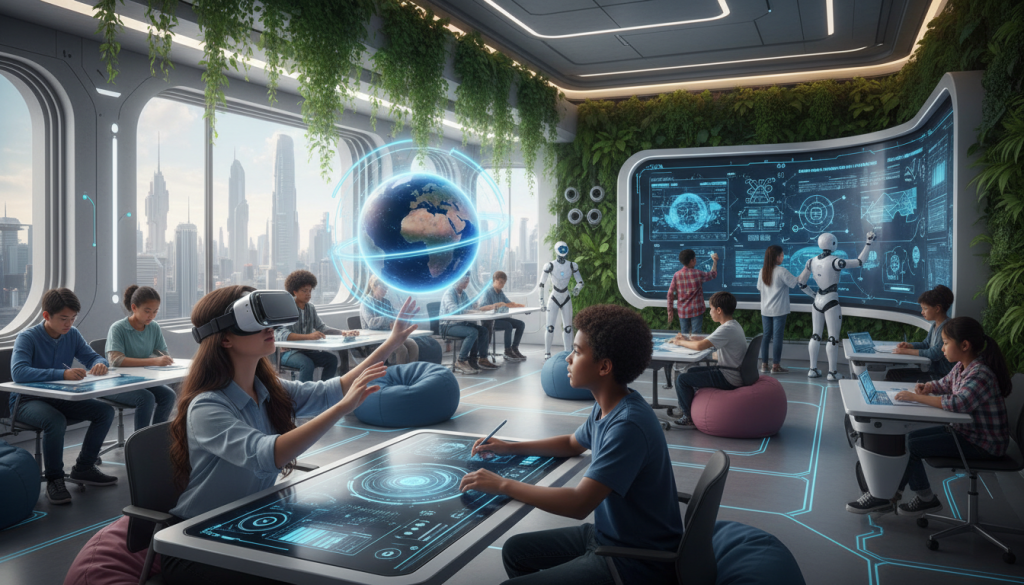
One of the most exciting frontiers in education is the integration of Immersive Technology. Virtual Reality (VR) and Augmented Reality (AR) can transport students to historical events, scientific labs, or even inside the human body, offering unparalleled experiential learning. These technologies create highly engaging and memorable experiences that deepen understanding and ignite curiosity.
Embracing these diverse strategies—from personalized pathways and AI-driven insights to collaborative projects and immersive experiences—is paramount for creating an educational ecosystem that truly empowers every learner. By fostering environments that prioritize individual growth, cultivate essential future skills, and nurture holistic development, we can equip students not just for today’s challenges but for a lifetime of curiosity, innovation, and success. The journey towards a more dynamic and impactful education is continuous, requiring thoughtful integration of these advancements to inspire and prepare the next generation.