Harmonizing Innovation: Crafting Adaptive Learning Ecosystems for Enduring Growth
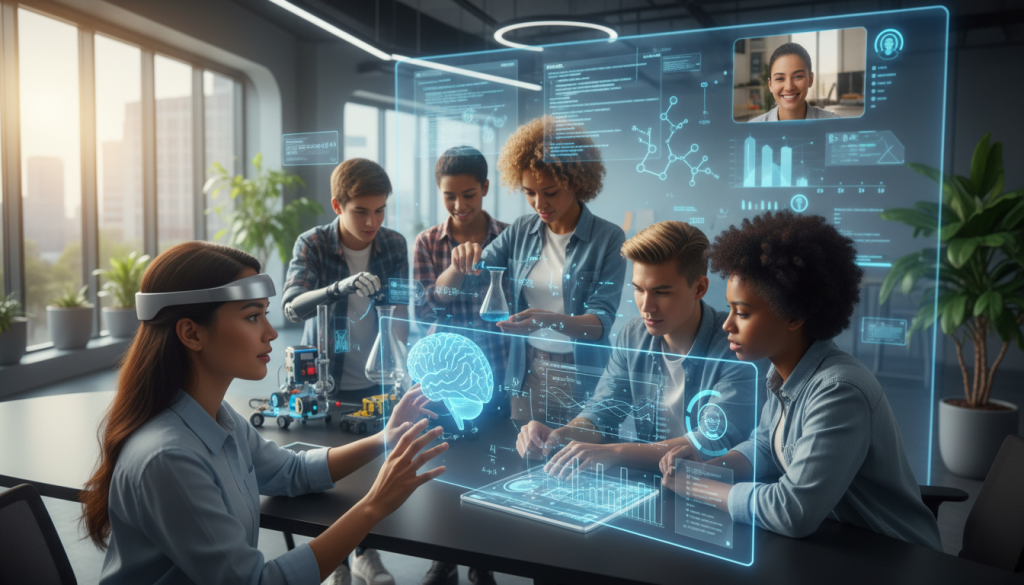
The landscape of education is undergoing a profound transformation, moving beyond traditional models to embrace dynamic, learner-centric approaches. This shift is driven by a convergence of technological advancements and evolving pedagogical insights, creating unprecedented opportunities for engagement and skill development. At the heart of this evolution lies Personalized Learning, a powerful paradigm that tailors educational experiences to individual needs, paces, and preferences, ensuring every student can thrive.
Tailoring Education with Intelligent Systems
Modern education is increasingly shaped by the intelligent application of technology. Artificial Intelligence In Education (AIEd) is revolutionizing how content is delivered and understood, offering adaptive pathways that respond to each student’s progress. This integration leads to highly effective Adaptive Learning Platforms, which continuously adjust difficulty and focus based on real-time performance, providing targeted support where it’s most needed.
Understanding how the brain learns, through Neuroeducation principles, further refines these platforms, making learning more intuitive and impactful. Alongside this, Microlearning delivers bite-sized, focused content, ideal for busy schedules and reinforcing specific concepts. These small, verifiable units can often lead to Microcredentials, offering flexible pathways to demonstrate mastery and fostering a culture of Competency Based Education.
Igniting Engagement Through Immersive Experiences
Engaging learners is paramount, and innovative pedagogies are stepping up to the challenge. Gamification, the application of game-design elements and game principles in non-game contexts, significantly boosts Student Engagement by making learning interactive and rewarding. This approach often pairs well with Project Based Learning, where students tackle real-world problems, fostering critical thinking and collaboration.
Furthermore, STEM Activities provide hands-on experiences that cultivate problem-solving skills vital for future careers. Immersive Technology, including virtual and augmented reality, transports students into Virtual Classrooms or historical events, making abstract concepts tangible and memorable. Developing strong Digital Literacy is crucial for navigating these technologically rich environments effectively and safely.
Cultivating Holistic Skills for Future Readiness
Beyond academic knowledge, equipping students with essential life skills is a core objective. Social Emotional Learning (SEL) programs help students develop self-awareness, self-management, social awareness, relationship skills, and responsible decision-making, preparing them for personal and professional challenges. This holistic development directly contributes to Career Readiness, ensuring graduates are not only knowledgeable but also emotionally intelligent and adaptable.
The job market is increasingly valuing practical abilities over traditional degrees, leading to a rise in Skills Based Hiring. This trend underscores the importance of Lifelong Learning, where individuals continuously acquire new competencies to remain competitive and relevant. Platforms like Educational Podcasts and Mobile Learning apps make continuous skill development accessible and convenient for everyone, anywhere.
Flexible Learning Pathways and Collaborative Communities
The future of education is also defined by its flexibility and collaborative nature. Hybrid Learning and Blended Learning models combine online and in-person instruction, offering students the best of both worlds. These flexible frameworks allow for greater accessibility and cater to diverse learning styles, making education more inclusive.
Promoting Collaborative Learning environments empowers students to work together, share insights, and learn from one another. This is further enhanced by Peer To Peer Tutoring, which not only provides academic support but also builds leadership and communication skills. The availability of Open Educational Resources (OER) democratizes access to high-quality learning materials, breaking down barriers and fostering a more equitable educational landscape.
The integration of these diverse innovations — from personalized AI-driven platforms to immersive technologies and flexible learning models — is creating a robust and adaptive educational ecosystem. By embracing these synergistic approaches, educators can foster environments where students are deeply engaged, develop critical future-ready skills, and cultivate a passion for continuous learning, truly empowering them to navigate an ever-evolving world with confidence and capability.