Navigating the New Learning Frontier: Cultivating Future-Ready Skills with Evolving Pedagogies
The landscape of education is undergoing a profound transformation, moving beyond traditional one-size-fits-all approaches to embrace dynamic, learner-centric models. This shift is largely driven by the imperative to foster skills relevant for an ever-evolving world, making Personalized Learning not just a buzzword, but a foundational pillar. Students today require more than rote memorization; they need adaptability, critical thinking, and a deep understanding of how to apply knowledge in real-world contexts. This article explores the innovative pedagogies and technological advancements shaping this exciting new frontier.
Tailoring Education for Every Learner: The Power of Personalized Pathways
At the heart of modern education lies the commitment to individual growth. Personalized Learning leverages advanced analytics and intelligent algorithms to create customized educational journeys. This means students learn at their own pace and through methods best suited to their individual needs and learning styles, significantly boosting Student Engagement.
Adaptive Learning Platforms are crucial enablers of this personalization, dynamically adjusting content difficulty and delivery based on student performance. Furthermore, the integration of Artificial Intelligence In Education allows for sophisticated tutoring systems that can provide instant feedback and identify areas where learners might need extra support. Complementing this, Microlearning breaks down complex topics into digestible, short modules, making learning more accessible and manageable. These bite-sized experiences can lead to the acquisition of Microcredentials, validating specific skills and knowledge.
Engaging Minds with Innovative Pedagogies
To truly capture student interest and foster deeper understanding, educators are embracing novel teaching strategies. Gamification, for instance, integrates game-like elements such as points, badges, and leaderboards into learning activities, transforming mundane tasks into exciting challenges. This approach not only makes learning enjoyable but also encourages perseverance and problem-solving.
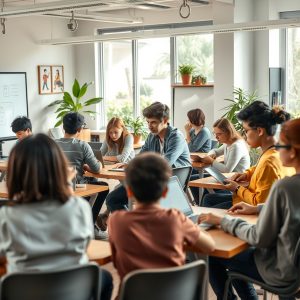
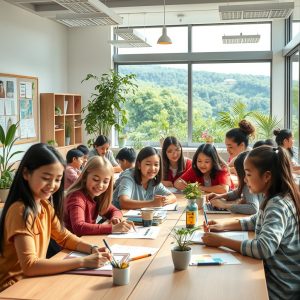
Another powerful methodology is Project Based Learning, which engages students in extended, real-world projects that demand critical thinking, collaboration, and creativity. Through such projects, students develop crucial skills while applying theoretical knowledge. This often goes hand-in-hand with Collaborative Learning, where students work together to achieve common goals, fostering communication and teamwork. Initiatives like STEM Activities are also vital, providing hands-on experiences that cultivate innovation and scientific literacy from an early age, preparing students for future careers.
Bridging Physical and Digital: The Rise of Hybrid and Virtual Learning
The boundaries between physical and digital classrooms are increasingly blurring, giving rise to flexible and accessible learning environments. Hybrid Learning and Blended Learning models combine face-to-face instruction with online components, offering the best of both worlds. This flexibility supports diverse student needs and schedules, making education more inclusive.
Virtual Classrooms have become commonplace, providing interactive online spaces for synchronous and asynchronous learning. Coupled with Mobile Learning, which allows access to educational content via smartphones and tablets, learning is no longer confined to specific locations or times. Moreover, the availability of Open Educational Resources (OER) provides free and openly licensed educational materials, democratizing access to high-quality learning content globally. Cultivating strong Digital Literacy skills is paramount for students to navigate these increasingly complex digital landscapes effectively and safely.
Cultivating Holistic Development and Future Readiness
Education today extends beyond academic achievement to encompass the holistic development of individuals. Social Emotional Learning (SEL) programs are gaining prominence, focusing on teaching students self-awareness, self-management, social awareness, relationship skills, and responsible decision-making. These skills are critical for navigating personal and professional challenges throughout life.
Insights from Neuroeducation are informing teaching practices, helping educators understand how the brain learns best and optimizing instructional strategies accordingly. This focus on cognitive science enhances learning outcomes. Furthermore, preparing students for successful careers is a core objective, with an emphasis on Career Readiness and Competency Based Education. This approach ensures students master specific skills and competencies rather than simply progressing through grade levels. The rise of Skills Based Hiring further underscores the importance of demonstrable abilities over traditional credentials, making Lifelong Learning a necessity for continuous professional development.
Empowering Connection and Access Through Technology
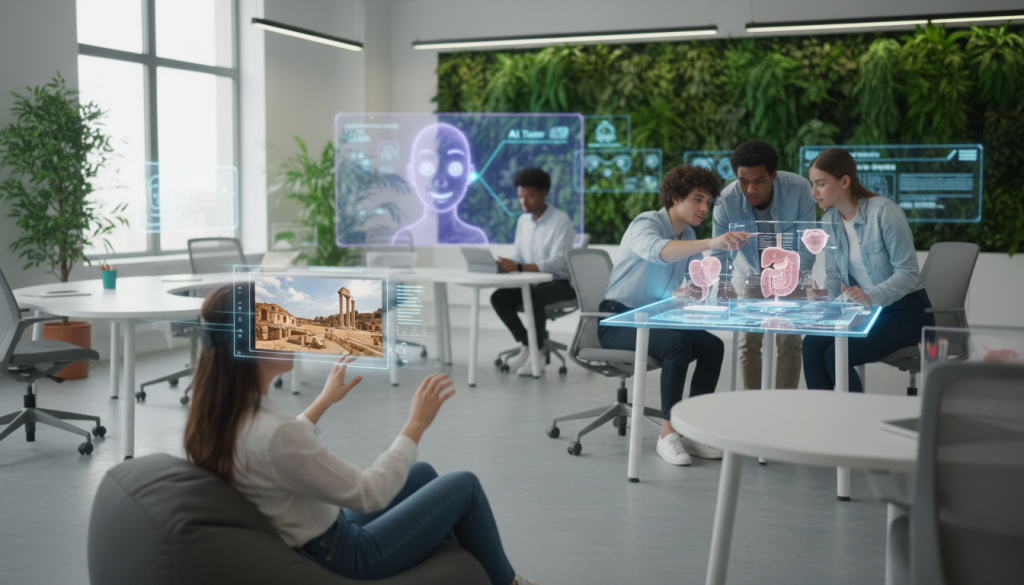
Advanced technologies are creating unprecedented opportunities for engagement and support. Immersive Technology, including Virtual Reality (VR) and Augmented Reality (AR), transports students to historical sites, scientific labs, or even inside the human body, offering unparalleled experiential learning. These technologies make abstract concepts tangible and memorable. Additionally, Peer To Peer Tutoring platforms facilitate collaborative learning, allowing students to support each other and deepen their understanding through teaching. The widespread availability of Educational Podcasts also offers a flexible and engaging way for learners to explore new subjects and reinforce concepts on the go.
The future of education is bright, characterized by a dynamic interplay of innovative pedagogies and cutting-edge technologies designed to empower every learner. By embracing personalized pathways, fostering deep engagement through projects and gamification, and leveraging hybrid models alongside holistic development programs, we can equip students with the essential skills for success in an ever-changing world. The ongoing evolution of learning environments ensures that education remains relevant, accessible, and deeply impactful, preparing individuals not just for careers, but for meaningful lives.